
Core Types of Dog Workshops and What They Cover
Specialized clinics provide deep dives into single subjects, unlike general obedience courses. These events accelerate handler mechanics and dog comprehension by isolating specific variables, whether you are conditioning competition drive or teaching emotional regulation in urban spaces. For Bay Area owners, workshops also offer a structured way to work a dog outdoors without relying on crowded dog parks or off-leash beaches where environmental control is limited.
Hands-On Scent Work and Outdoor Mantrailing Clinics
Scent work engages a canine's primary sensory system, providing mental enrichment that burns energy more effectively than physical exercise alone. These clinics cover target odors, environmental scent picture puzzles, and line handling techniques. Handlers learn how humidity, wind currents, and terrain affect scent pools. In a dense coastal climate like Daly City or Pacifica, shifting marine layers and damp ground can hold odor differently than dry inland heat, which makes local practice conditions especially instructive.
For owners seeking an engaging outdoor discipline, trailing takes these principles into real-world environments. You learn how to read subtle body language shifts when your dog catches scent plumes along coastal bluffs or city perimeters. Our comprehensive dog scent training approach breaks down these handler mechanics systematically. Practicing the mantrailing sport provides a clear working outlet for high-drive breeds, utilizing open terrain such as the dog-friendly trails at Mussel Rock Park in Daly City to expose teams to diverse tracking environments. Because mantrailing requires a dog to work independently while the handler manages a long line, clinics spend significant time on line feeding, tension control, and reading changes in head carriage and tail set before the dog commits to a direction.
Agility and Canine Sports Intensive Events
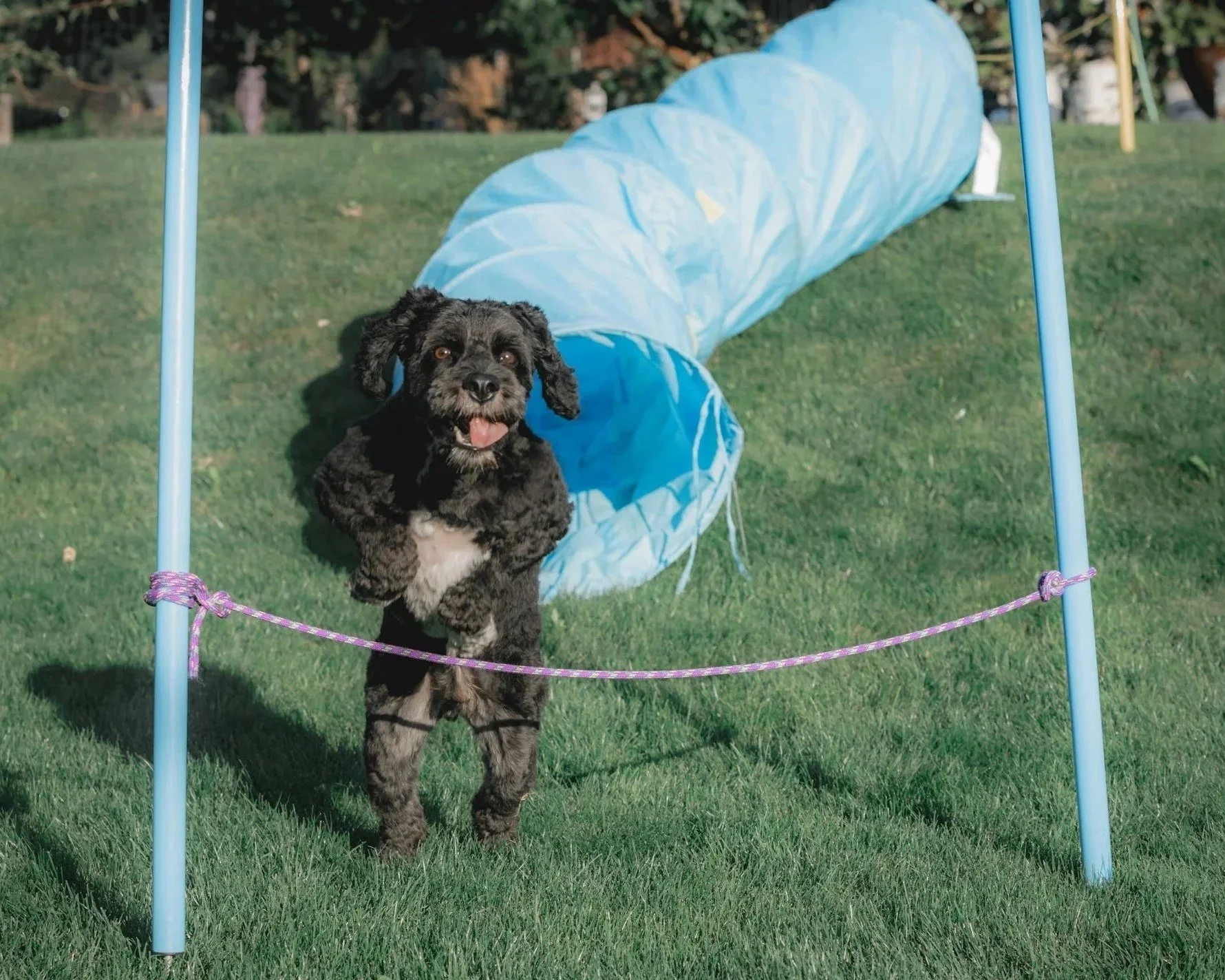
Agility and canine sport seminars focus on the mechanical dialogue between dog and handler at high speeds. These intensive sessions break down obstacle navigation, handling lines, front and blind crosses, and jump sequencing. Handlers refine their footwork, deceleration cues, and spatial awareness so the dog receives actionable directional cues before taking off. In a sport where a half-second delay changes the approach angle to a jump or tunnel, clinics isolate those timing errors and rebuild them through repetition.
Sport clinics build healthy drive and physical conditioning through structured cross-training. By developing core stability and backend awareness, handlers keep their dogs physically sound while sharpening off-leash responsiveness. Exploring dog training through sports creates high engagement and direct clarity that carries over into everyday communication. Many Bay Area handlers use these intensives to prepare for local trials or simply to give high-energy urban dogs a legitimate physical outlet that does not depend on fenced acreage.
Behavior Psychology and Reactivity Intensive Clinics
Behavior-focused workshops shift the emphasis from teaching commands to understanding canine cognition and emotional thresholds. Handlers learn to identify subtle stress markers, including pupil dilation, displacement sniffing, and postural stiffness, well before an overt reaction occurs. In crowded San Francisco neighborhoods, where a dog may encounter delivery trucks, skateboards, and off-leash dogs within a single block, reading those early signals is a practical safety skill rather than an academic exercise.
These events guide teams through threshold management, trigger desensitization, and establishing a positive conditioned emotional response to surrounding stimuli. Working through reactive dog training protocols within a controlled setting teaches handlers how to manage space safely. Handlers also explore proven systems such as the NePoPo training philosophy, where dogs learn to execute commands with confidence and enthusiasm. Managing leash reactivity requires precise timing, structured spatial buffers, and clear handler mechanics to build lasting behavioral reliability. Clinics often include live demonstrations with dogs at different stages of reactivity, giving handlers a realistic view of how progress looks across breeds, ages, and living situations.
Working Spots vs. Spectator Auditing: Choosing Your Format
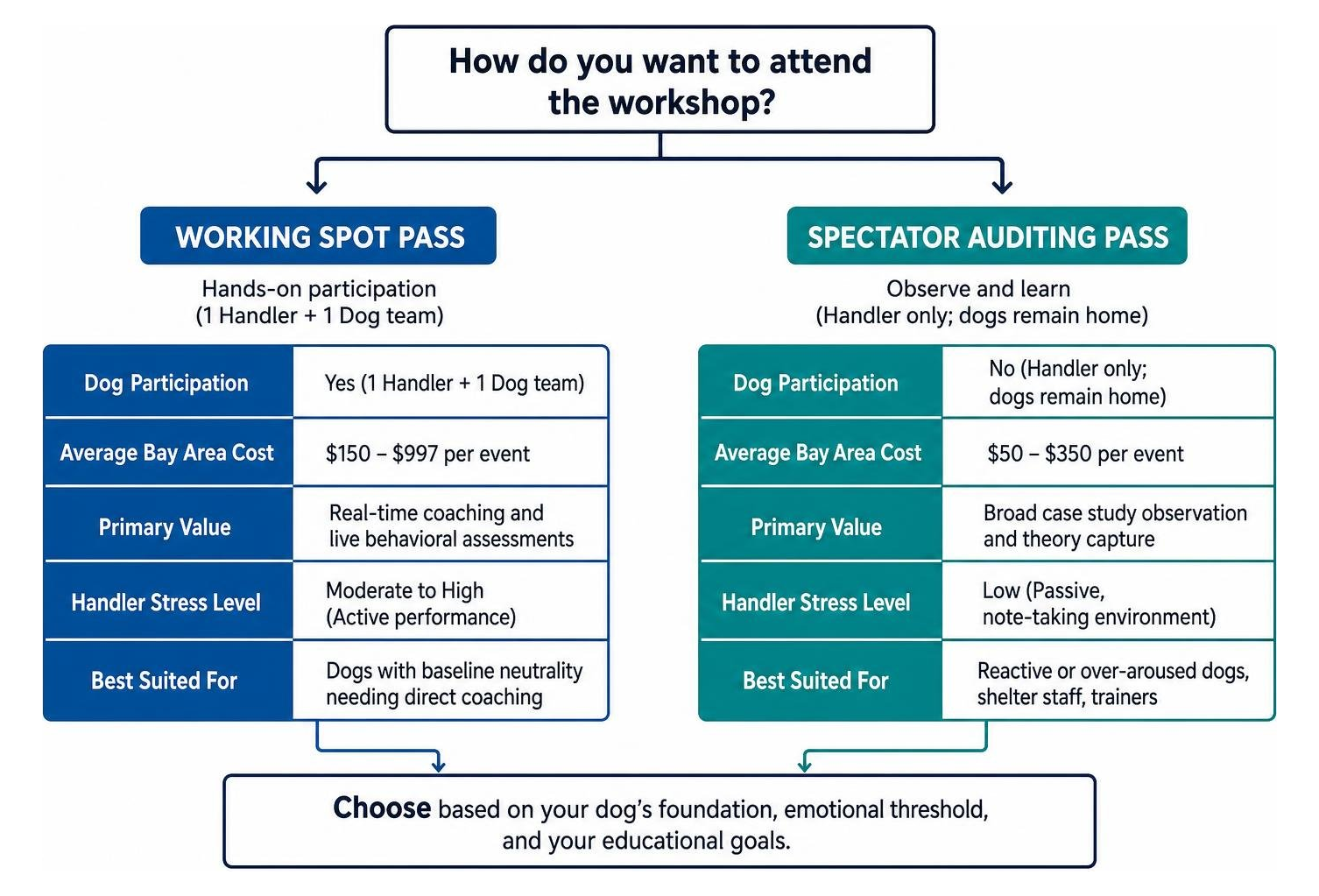
Choosing how to attend a seminar depends on your dog's current training foundation, emotional threshold, and your personal educational goals.
| Feature | Working Spot Pass | Spectator Auditing Pass |
|---|---|---|
| Dog Participation | Yes (1 Handler + 1 Dog team) | No (Handler only; dogs remain home) |
| Average Bay Area Cost | $150 – $997 per event | $50 – $350 per event |
| Primary Value | Real-time coaching and live behavioral assessments | Broad case study observation and theory capture |
| Handler Stress Level | Moderate to High (Active performance) | Low (Passive, note-taking environment) |
| Best Suited For | Dogs with baseline neutrality needing direct coaching | Reactive or over-aroused dogs, shelter staff, trainers |
Maximizing Value in Hands-On Dog Workshops
A working spot gives you live coaching under the direct eye of an instructor. The clinician evaluates your mechanics, corrects micro-errors in leash handling, and designs exercises tailored to your dog's drive and personality.
These spots allow you to troubleshoot specific sticking points in real time. If your dog loses focus during heelwork transitions or struggles to settle after high excitement, the trainer steps in to adjust your criteria immediately. This level of guided precision accelerates progress toward advanced dog obedience, helping you solidify cues under controlled environmental distractions.
Why Auditing Dog Workshops Offers High-Level Observation
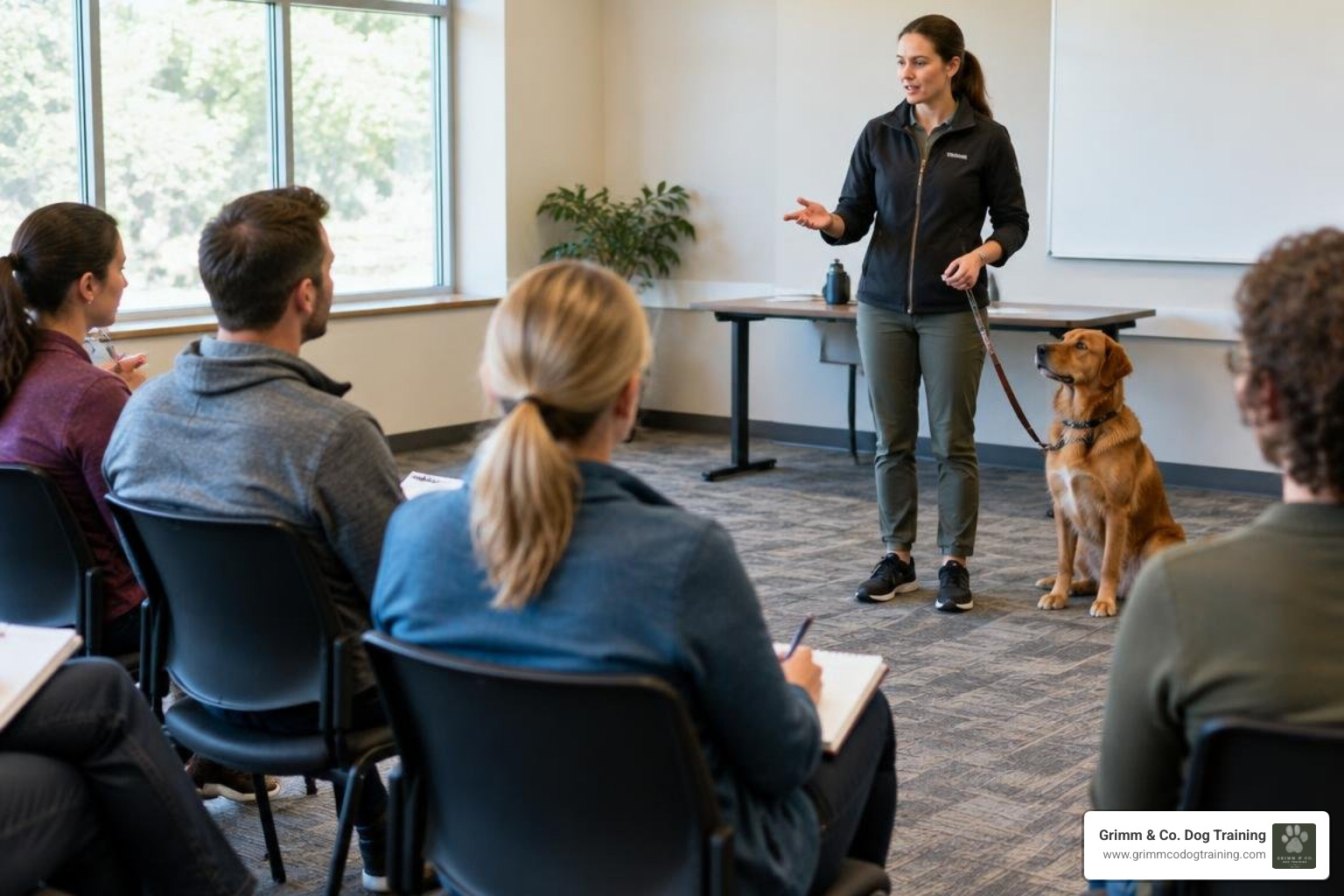
Auditing allows you to absorb complex behavioral theory without managing your dog at the same time. Spectators can study multiple dog-handler pairings, observing how different breeds, temperaments, and handling styles influence results.
When you audit, you can take detailed notes, record handling patterns, and observe how certified dog behaviorists assess body language nuances. This vantage point helps you spot handler errors and learn how to adjust criteria before testing those techniques with your own dog.
How to Select the Right Workshop for Your Dog's Needs
Selecting an event requires balancing your dog's current developmental stage with the demands of the working environment. A workshop that is perfect for a stable adult dog may overwhelm an adolescent still learning to recover from environmental pressure, while a seminar designed for reactive dogs may not challenge a high-drive working breed enough to hold its attention.
Assessing Age, Temperament, and Prerequisites
Before enrolling, evaluate whether your dog possesses the emotional maturity for the workshop environment. Young puppies benefit most from early foundations and puppy socialization, where the primary goal is building neutral responses to unfamiliar stimuli rather than demanding sustained precision. Puppy-specific workshops typically keep sessions short, rotate novel objects and surfaces, and emphasize handler observation skills so owners learn to recognize when their puppy needs a break.
Adolescent dogs navigating fear periods or fluctuating focus thrive in structured group dog training formats that practice impulse control and distance buffers. Once a dog develops baseline neutrality in controlled classes, handlers can test those skills in community environments like the Jack London Pup Crawl in Oakland. These real-world outings reveal whether a dog can hold a settle near food vendors, pass other dogs on narrow sidewalks, and recover quickly after a startle.
Always review the prerequisite requirements listed by the host facility. Most venues mandate proof of core vaccinations (Rabies, DHPP, and Bordetella) along with specific baseline handling skills to ensure group safety. Some advanced clinics also require a documented history of working around other dogs without conflict, while behavior-focused events may ask for a detailed intake form describing your dog's triggers, bite history, and current management strategies.
Pricing, Duration, and Certification Opportunities
Workshop structures range from single-day clinics to intensive multi-day events. Local single-session workshops generally range from $150 to $300, while weekend masterclasses led by nationally recognized behaviorists often command $500 to $1,000 for working spots. Auditing passes typically cost between $50 and $350, making them a practical entry point for handlers who want to evaluate a clinician's teaching style before committing to a working spot.
For professional handlers, shelter workers, and aspiring instructors, specialized programs offer formalized continuing education. Reputable canine colleges and vocational programs feature structured certifications covering scent work, separation anxiety, and handling mechanics. These programs help trainers working with high-drive working dogs maintain professional standards and refine their coaching capabilities. In the Bay Area, where many owners pursue dog sports as a serious hobby rather than a casual pastime, certified instructors who can teach precise mechanics and troubleshoot advanced problems are in steady demand.
Frequently Asked Questions About Dog Training Events
What vaccination records are required for in-person workshops?
Host facilities require up-to-date documentation for Rabies, DHPP (Distemper, Hepatitis, Parvovirus, Parainfluenza), and Bordetella. Some commercial facilities also require canine influenza verification. Puppies must have completed age-appropriate vaccination series before attending in-person sessions. Most Bay Area venues ask for records to be submitted at least 48 hours before the event so staff can verify compliance without delaying check-in on the day of the workshop.
Can reactive dogs attend a group workshop environment?
It depends on the workshop's focus and venue setup. Behavior and reactivity clinics often accommodate reactive dogs by utilizing visual barriers, dedicated staging areas, and strict distance buffers. Sports or agility seminars with open rings may require dogs to rest quietly in vehicles or crates when not working. Contact the coordinator beforehand to confirm the facility's safety layout, including entry and exit routes, parking distance from the training area, and whether a separate warm-up zone is available for dogs that need extra space.
What is the difference between weekend seminars and multi-week classes?
Weekend seminars provide intensive, deep immersion into specific topics like trailing, competitive agility sequencing, or target scent indications over one to two days. Multi-week courses spread skill progression over weekly sessions, allowing teams to practice at home between lessons. Reading about why dog training classes might be the right fit for you will help you determine the optimal format for your schedule and training goals. Many handlers find that a combination works best: a multi-week class builds the foundation, while a weekend seminar tests that foundation under concentrated pressure and introduces new techniques worth practicing over the following month.
Transform Your Training Journey with Grimm & Co.
Attending specialized training events helps you build clear communication, reliable mechanics, and a deeper working relationship with your dog. Moving beyond basic living-room obedience into dedicated sports, scent disciplines, and structured clinics gives your dog a fulfilling mental outlet while connecting you with a committed community of handlers. For Bay Area owners who want a weekend activity that gets them outdoors with a purpose, mantrailing and scent work offer a structured alternative to crowded parks and repetitive neighborhood walks.
At Grimm & Co. Dog Training, we specialize in practical obedience, real-world socialization, and outdoor tracking throughout San Francisco, Daly City, and the Peninsula. Whether you want to explore the sport of mantrailing across coastal terrain or refine your day-to-day handling, our structured dog training classes give you the hands-on guidance needed to succeed. Reach out today to join our next local training event and unlock your dog's true working potential.