
Fun Dog Scent Training Games to Stimulate Your Canine's Mind
The Science and Benefits of Canine Nosework
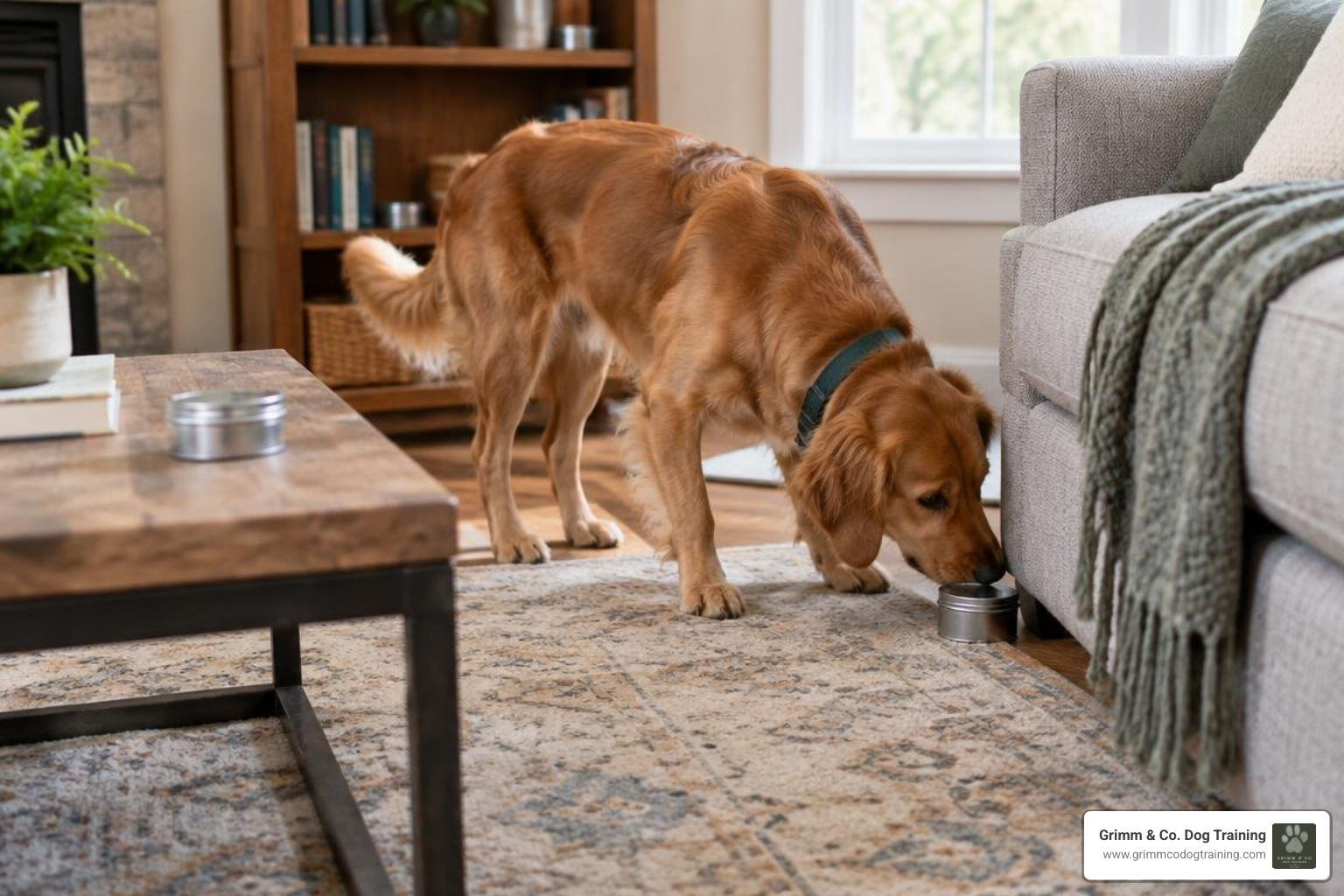
Dog scent training games are structured search activities that teach your dog to locate hidden treats, toys, or target odors using their nose. Start with simple games like hiding a treat in one closed hand and asking your dog to choose, then progress to cup games, room searches, and eventually target odor discrimination. Keep sessions to two to five minutes, reward at the source of the hide, and let your dog work independently once you give the search cue.
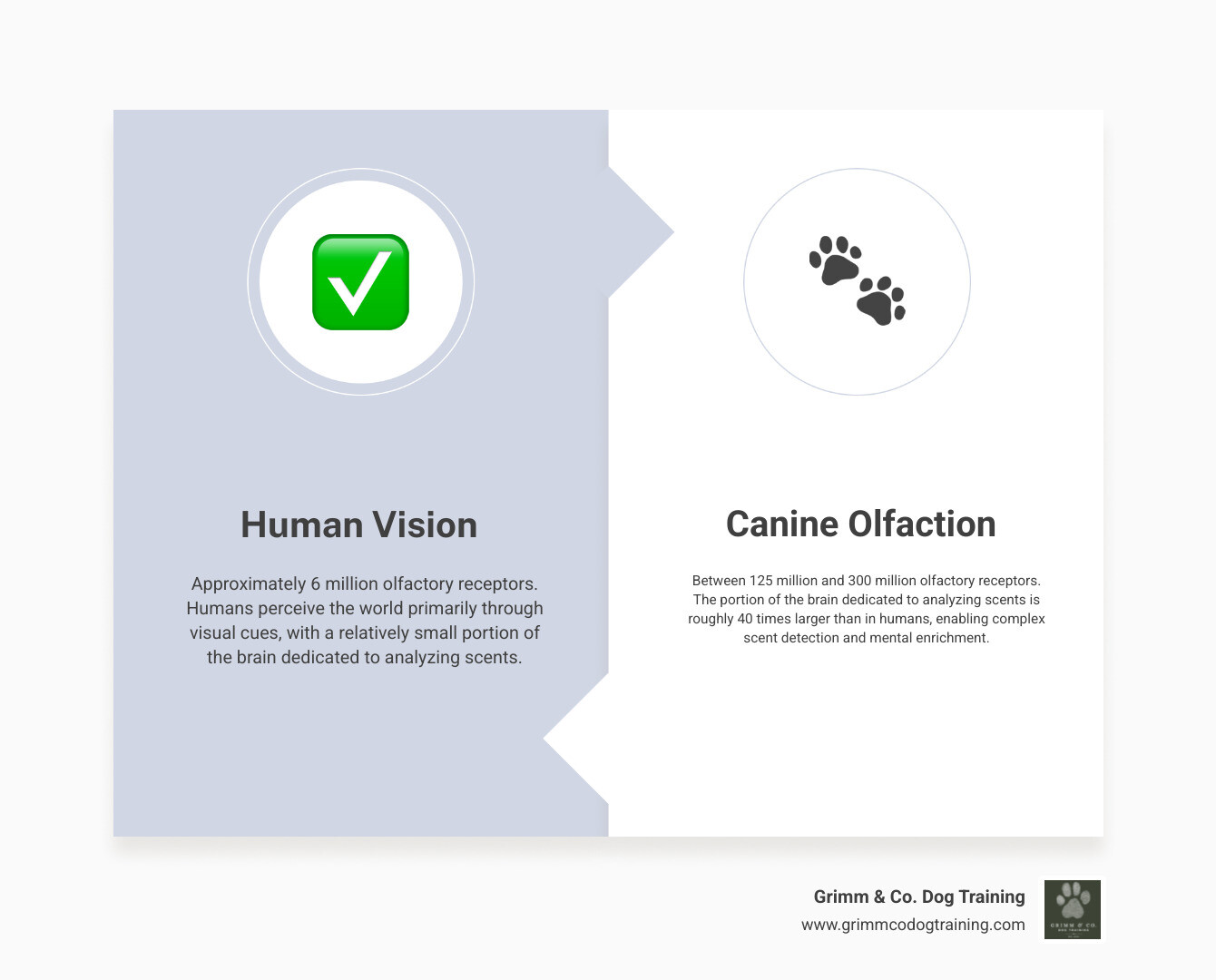
While human beings perceive their environment primarily through visual cues, dogs interpret reality through complex olfactory data. The canine olfactory system is an anatomical marvel. Depending on the breed, a dog possesses between 125 million and 300 million olfactory receptors, compared to a mere 6 million in humans. Furthermore, the portion of the canine brain dedicated to analyzing scents is roughly 40 times larger than our own. When a dog engages in scent detection, they are utilizing their primary sensory cortex, firing neural pathways that foster natural focus and satisfaction.
Engaging a dog's nose delivers physiological and behavioral benefits that traditional physical exercise cannot match. When dogs process scent profiles, their heart rate stabilizes, and their natural foraging drive is satisfied, which lowers baseline cortisol levels and alleviates environmental stress. Just ten to fifteen minutes of concentrated search work can satisfy a high-drive dog as effectively as a long run across the Presidio or along the trails of Pacifica.
Nosework is also universally accessible across life stages and behavioral temperaments:
- Puppy Socialization and Cognitive Development: Introduces novel problem-solving skills, builds environmental resilience, and channels impulsive energy into constructive focus.
- Senior and Recovering Dogs: Provides low-impact cognitive stimulation that keeps aging minds sharp without putting strain on arthritic joints or healing tissue.
- Confidence for Reactive Dogs: Gives dogs with environmental sensitivities a clear, self-directed task. Shifting focus away from visual triggers toward a dedicated scent target helps them decompress and work productively.
For those interested in exploring structured olfactory disciplines beyond casual home play, our dog scentwork classes provide a clear progression from foundational odor recognition to advanced search problems.
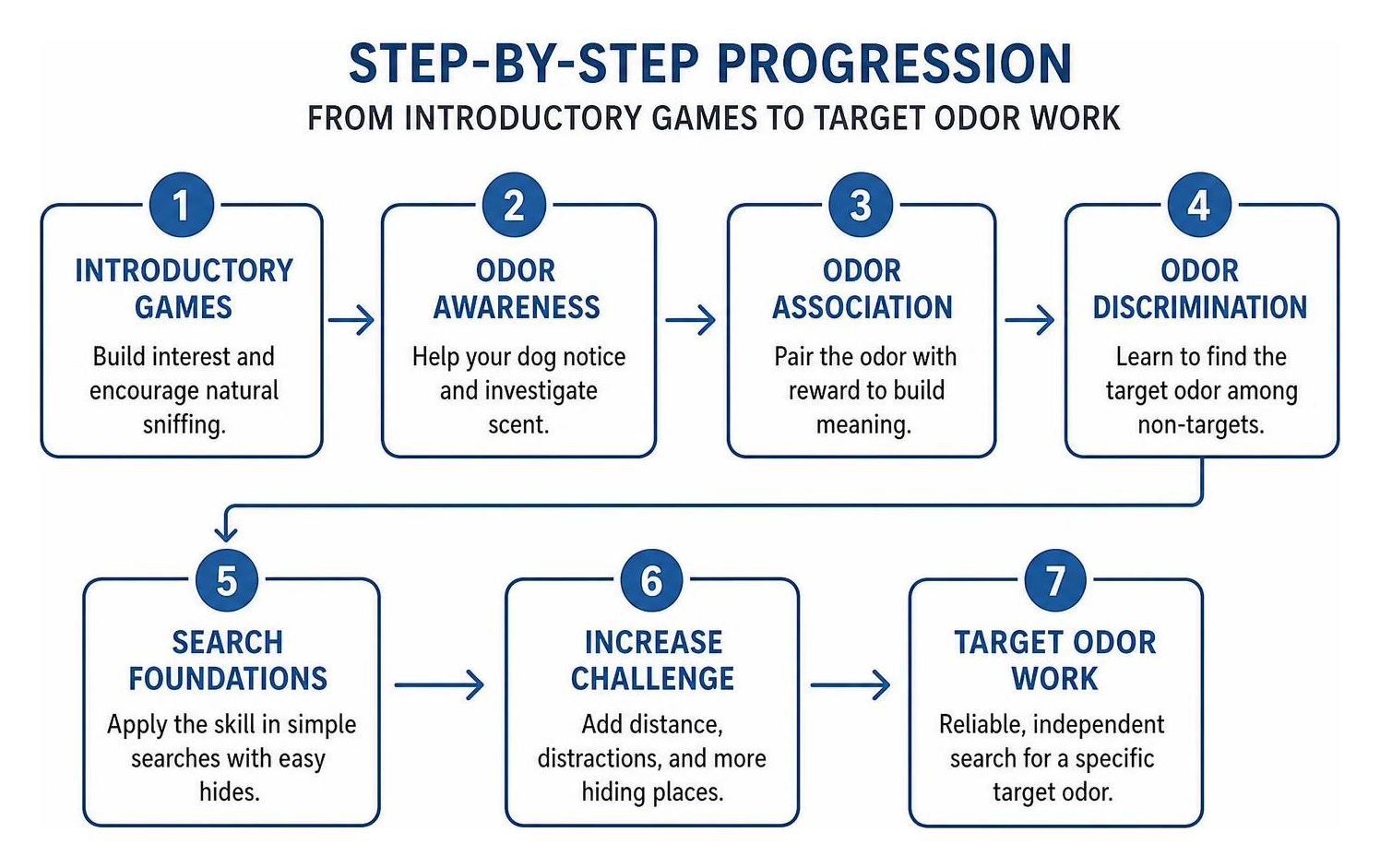
7 Top Dog Scent Training Games for Every Skill Level
Structured scent games allow you to systematically develop your dog's olfactory discrimination and persistence. Whether you are living in a compact apartment in South San Francisco or have access to a spacious yard in Burlingame, these seven games offer progressive mental engagement.
Beginner Dog Scent Training Games: The Shell Game and Living Room Treat Hunts
1. The "Which Hand?" Selection Game
This foundational exercise teaches your dog that their nose, rather than visual cues, dictates where the reward is located. Place a high-value treat in one fist and present two closed hands roughly twelve inches apart in front of your dog's muzzle. Allow your dog to investigate. The instant their nose touches or firmly sniffs the correct hand, open your fingers and deliver the reward. Repeat across multiple repetitions, alternating hands randomly to prevent pattern guessing.
2. The Classic Cup Shell Game
Set out three identical plastic cups upside down on the floor. While your dog watches, place a fragrant treat beneath one cup. Give your release cue, such as "Find it." When your dog nudges, paws, or indicates the correct cup, immediately lift it and let them consume the reward. Once your dog understands the mechanics, obscure their vision while hiding the treat, forcing them to rely entirely on scent rather than visual memory.
3. Living Room Area Searches
Transition from localized targets to full room searches. Place your dog in a stay or behind a closed door, then place three to five high-value treats around the room. Initially, place them on open surfaces, such as the edge of a rug or beside a table leg. Release your dog with "Find it" and let them search independently. As their confidence grows, tuck treats under chair rungs, behind open doors, or on low shelves to encourage scent scanning at varying heights.
DIY Dog Scent Training Games: Muffin Tin Puzzles and Towel Snuffle Mats
4. The Muffin Tin Brain Teaser
Take a standard 12-cup metal muffin tin, drop treats into several of the cups, and cover every cup with a tennis ball. Present the puzzle to your dog. They must identify which cups contain food using their nose, then figure out how to lift or nudge the tennis balls aside to access the reward. This game pairs olfactory processing with fine motor problem-solving.
5. The Rolled Towel and Snuffle Box Foraging Game
Scatter treats across an old bath towel, roll the towel up tightly lengthwise, and tie it into a loose single knot for advanced dogs. Your dog must unroll and maneuver the fabric to forage the hidden pieces. Alternatively, repurpose a laundry basket by filling it with crumpled kraft paper, cardboard tubes, and fleece strips, scattering a portion of their daily kibble inside. This mimics natural foraging behaviors and provides a constructive indoor outlet for high-energy working breeds.
Target Odor Discrimination: The Two-Tin Choice Game
6. Target Odor Imprinting (Hot vs. Cold Tins)
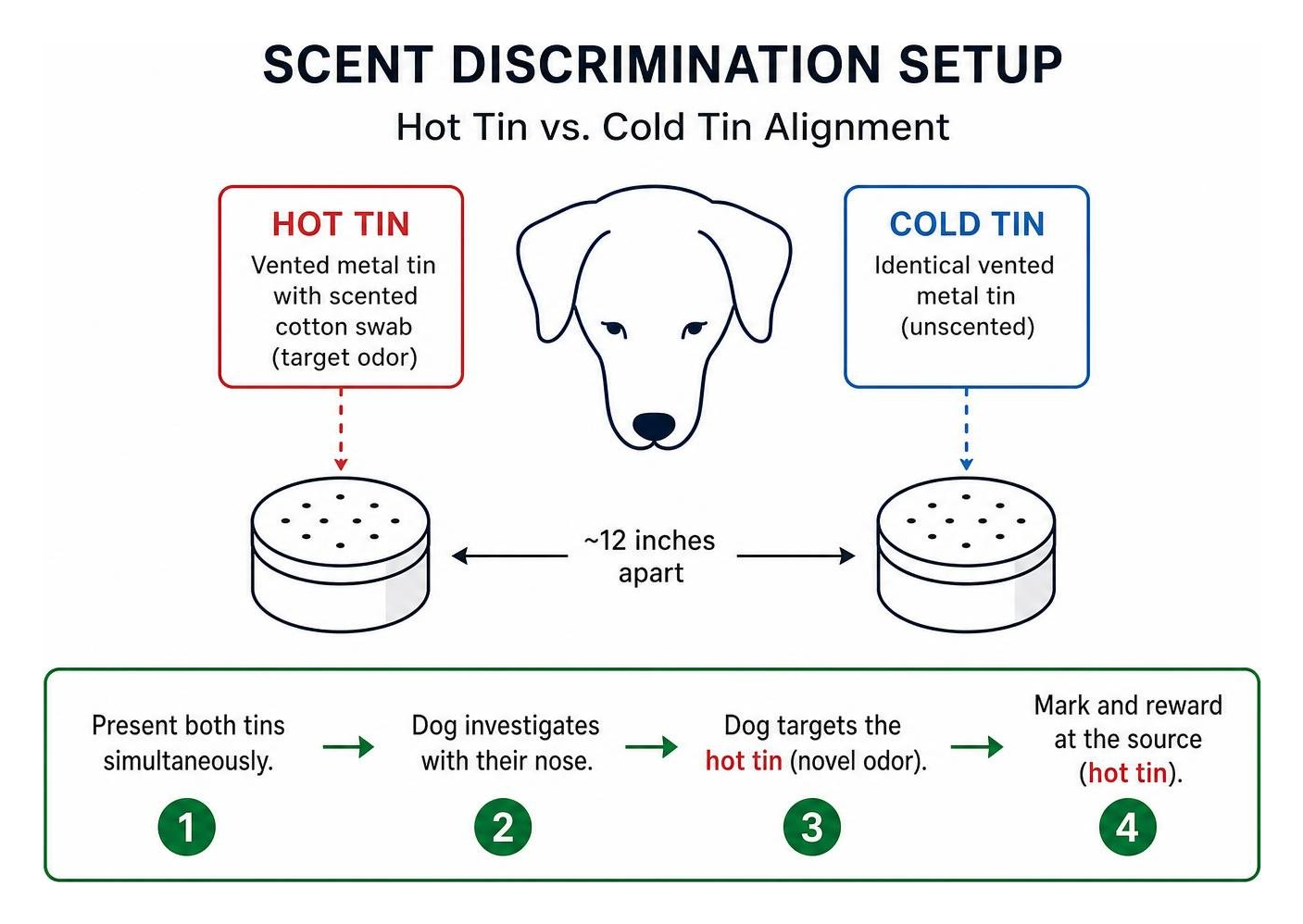
To progress toward formal scent work, transition your dog from hunting food to identifying a specific target odor, such as sweet birch (Betula lenta). Prepare a small, vented metal tin containing a cotton swab cut in half and scented with a diluted drop of pure birch oil (the "hot" tin). Prepare an identical, unscented tin (the "cold" tin).
Present both tins simultaneously, spaced twelve inches apart. The moment your dog directs their nose toward the hot tin to investigate the novel odor, immediately mark the behavior and deliver a high-value food reward right at the source of the tin. Rewarding directly at the source builds strong odor value and teaches your dog to commit to the target scent.
Commercial products such as the Hide&Scent Standard Edition and the Geo-Sniffing Starter Kit utilize these same principles of durable, scented hide containers to transition dogs from basic sniffing to dedicated target discrimination.
Practical Utility Tracking: The 'Find the Keys' Search Game
7. Real-World Utility Searches
Teaching your dog to locate personal articles turns scent games into a practical skill. Start by scenting a soft fabric keychain with your personal scent or a pinch of catnip.
- Step 1: Drop the scented object on the floor in plain view, cue "Find the keys," and reward generously when your dog approaches and touches it.
- Step 2 (The 3 Ds): Progressively increase Difficulty, Distance, and Distraction. Place the object beneath a cushion, then in another room, and finally out in a grassy backyard.
- Step 3 (Outdoor Application): Move the search to variable outdoor environments like your local neighborhood park in Daly City or San Mateo, working your dog on a long line to maintain focus across natural wind currents.
For structured indoor foraging games that challenge your dog's natural drive, enrichment kits like the Dog Scavenger Hunt by Dog Virtuoso offer pre-packaged systems to refine these skills at home.
Essential Best Practices, Safety Guidelines, and Mistakes to Avoid
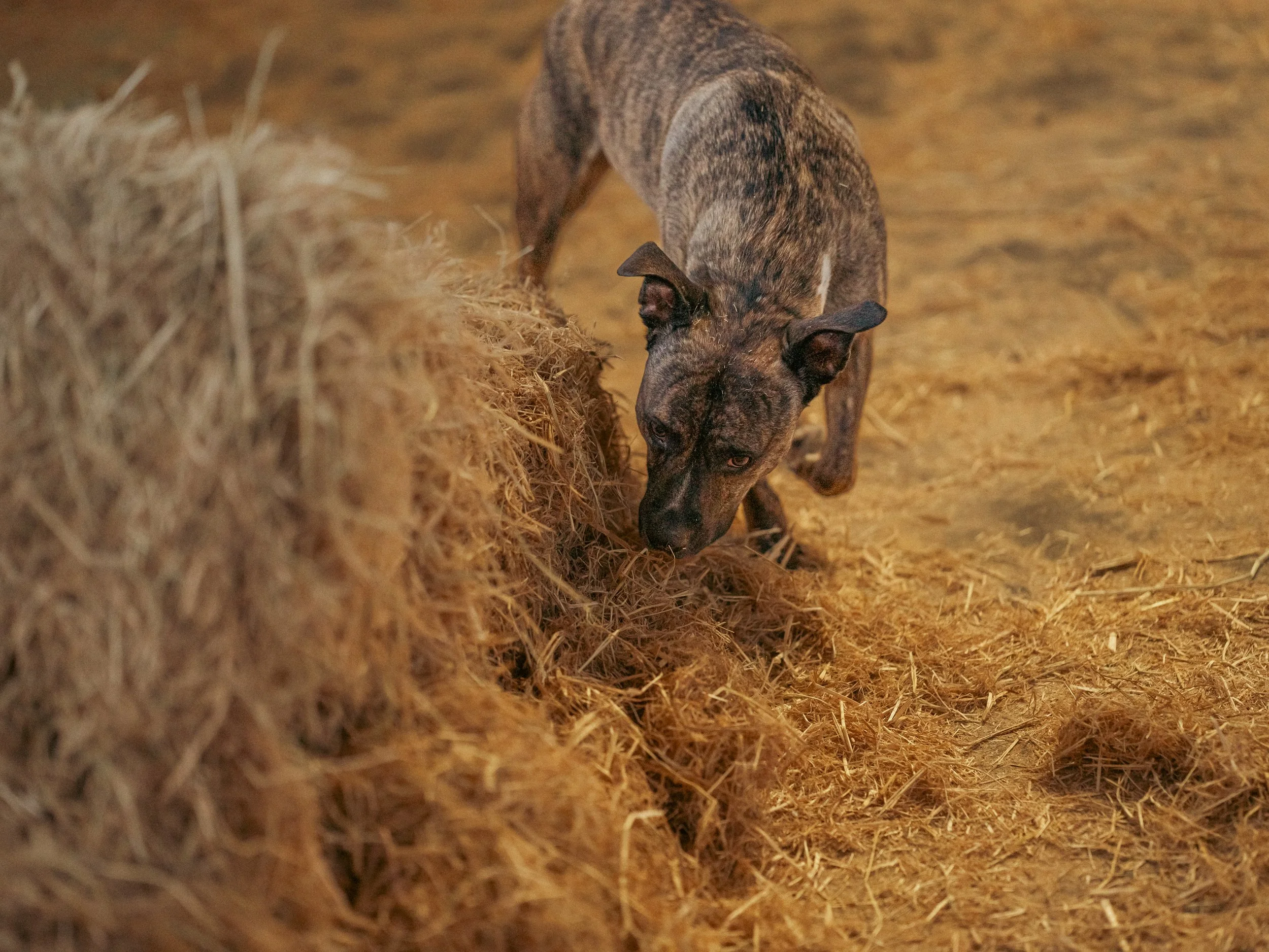
To keep scent work engaging, fair, and productive, handlers must adhere to clear training protocols:
- Keep Sessions Short: Olfactory work requires intense cognitive stamina. Limit sessions to micro-bursts of two to five minutes, two to three times daily. Always end the session while your dog is successful and eager for more.
- Never Use Toxic Scents: Many essential oils are toxic to canines. Avoid tea tree, eucalyptus, wintergreen, cinnamon, citrus, and pine oils. When using competition-grade scents like birch, anise, clove, or cypress, always ensure they are heavily diluted on cotton swabs and enclosed inside sturdy, vented containers that prevent ingestion.
- Prevent Cross-Contamination: Store your scented tins and target odors in airtight glass jars completely separate from your training treats. If food residue transfers to an odor tin, the dog learns to hunt the food scent rather than the target essential oil.
- Avoid Over-Helping and Cue Repetition: Once you give your search cue, step back and allow your dog to work out the scent puzzle independently. Hovering, pointing, or repeating "Find it" creates confusion and breeds handler dependency. Trust your dog's nose.
- Manage Reward Placement: Always deliver the reinforcement directly at the location of the hide. Rewarding at the source reinforces the exact spot where the scent plume originates, teaching your dog to pinpoint hides with precision.
Participating in structured canine sports is one of the most effective ways to build a cooperative working relationship. Our guide on dog training through sports boosting engagement bonding and enrichment explores how goal-oriented activities strengthen communication and day-to-day focus.
Frequently Asked Questions About Scent Work and Enrichment
How often and how long should dog scent training sessions last?
Keep scent training sessions short and focused. Two to three micro-sessions per day, lasting between two and five minutes each, are far more effective than a single, drawn-out session. Sniffing and processing scent plumes causes rapid mental fatigue; overworking your dog leads to frustration and a loss of search drive. Always conclude a session on a clean, successful find.
Are scent training games safe for puppies and senior dogs with limited mobility?
Yes. Scent games are non-impact, making them suitable for young puppies developing spatial awareness as well as senior dogs dealing with arthritis, hip dysplasia, or visual impairments. Because scent work relies entirely on the olfactory cortex rather than rigorous physical exertion, it provides satisfying mental fulfillment without stressing delicate joints or growing growth plates.
What scents and essential oils are safe or hazardous for dog nosework?
Competition sports use specific, dog-safe target odors, primarily sweet birch (Betula lenta), anise seed (Pimpinella anisum), clove bud (Eugenia caryophyllata), and cypress (Cupressus sempervirens). These oils must always be diluted properly and housed in secure, bite-proof containers to avoid ingestion. Never use toxic oils such as tea tree (melaleuca), eucalyptus, pennyroyal, wintergreen, or citrus oils. If you prefer not to use essential oils, standard spices like whole anise seed, dried chamomile, catnip, or simple food hides provide safe, accessible alternatives.
Building Real-World Working Drive Through Outdoor Mantrailing
Mastering living room scent games provides a solid foundation for understanding odor plumes, building problem-solving persistence, and strengthening handler engagement. However, indoor games only scratch the surface of your dog's olfactory potential. Once your dog understands the mechanics of hunting a target, taking that drive outdoors opens up an entirely new level of enrichment.
Mantrailing takes the fundamental principles of scent discrimination and applies them to real-world tracking. Instead of searching for a hidden piece of kibble under a cup, your dog is fitted with a specialized tracking harness and a long line, tasked with following a specific human scent trail across variable terrain, through wind currents, and around real-world environmental distractions. It is the ultimate expression of a dog's natural tracking ability.
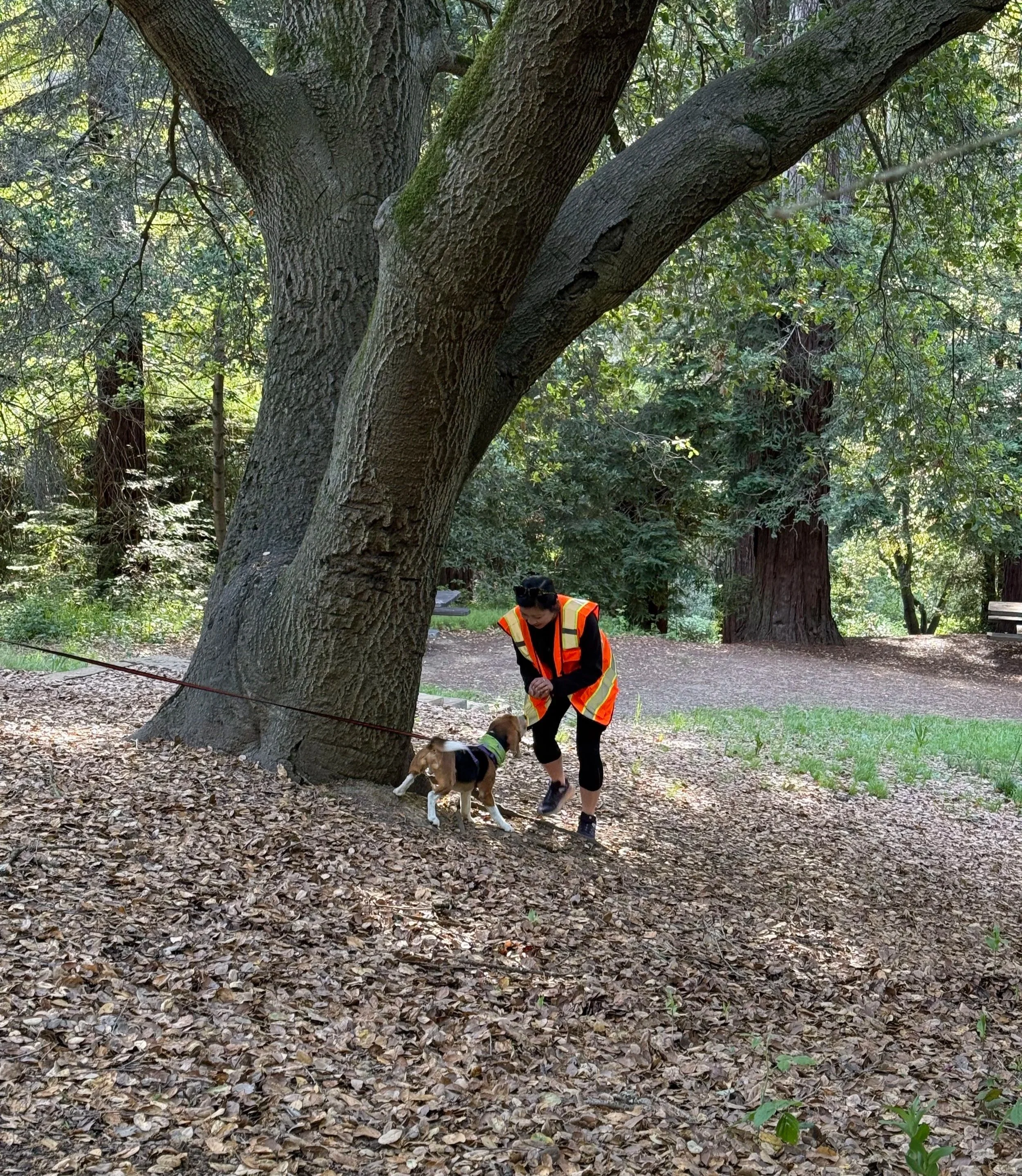
At Grimm & Co. Dog Training, we specialize in helping owners throughout San Francisco, Daly City, and the Peninsula channel their dogs' energy into structured outdoor activities. We are the premier Bay Area dog training company offering dedicated mantrailing instruction, providing urban and suburban dog owners with an engaging, structured weekend hobby.
Whether you handle a high-energy working breed that needs a job, a shy rescue needing confidence, or an everyday companion ready for adventure, mantrailing transforms a standard walk into a purposeful partnership. To take your dog's nosework from the living room out into the varied terrain of the Bay Area, explore our comprehensive nosework and mantrailing training resources or explore structured outdoor mantrailing adventures with our dedicated team today.