
Aggressive Dog Training in San Francisco Starts With Safety and Distance

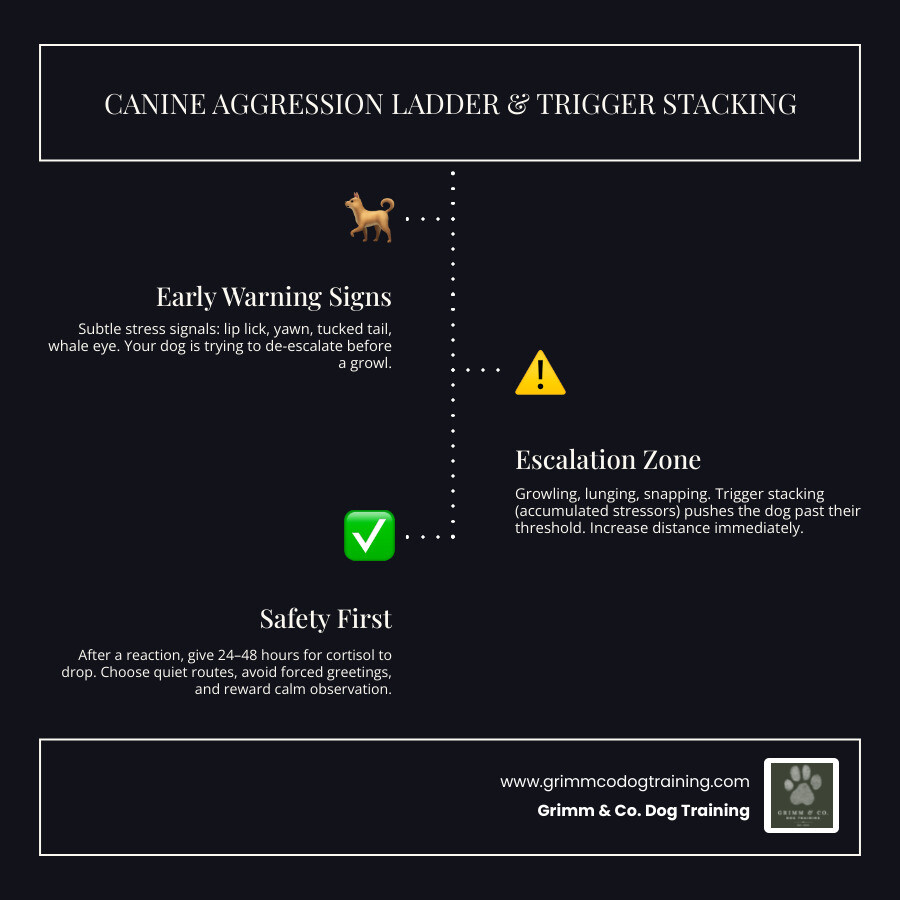
If your dog growls, lunges, or snaps, give them more space from the trigger before asking for a new behavior. Choose quieter routes, avoid forced greetings, and reward your dog for noticing a trigger while staying calm. A qualified, reward-based trainer can help you identify triggers and build a plan at your dog's pace. If your dog has bitten someone or their behavior changes suddenly, consult your veterinarian as well.
San Francisco's busy sidewalks can make it hard for a dog to recover between stressful encounters. This guide covers how to manage those moments and find the right help for aggressive dog training in San Francisco. It also explains what San Francisco Animal Care and Control does for shelter dogs, and why its behavior team does not train privately owned pets.
I'm Bailey Milne-Davies. If you searched for "aggressive dog training san francisco," my experience includes helping my dog Grimm build neutrality around other dogs, volunteering and shadowing trainers, and completing a professional obedience trainer course.
Understanding Aggression: Shelter Insights and the SFACC Framework
Urban environments place unique psychological demands on dogs. In dense cities like San Francisco, Daly City, and throughout the Peninsula, dogs encounter constant visual, auditory, and spatial stimulation. San Francisco Animal Care and Control (SFACC) operates at the center of municipal animal welfare, managing dogs that present complex behavioral profiles.

SFACC trainers complete specialized protocols such as the Fear Free Shelter Program. This training emphasizes reducing physiological arousal and stress before introducing behavior modification. When shelter staff evaluate dogs showing signs of aggression, fear, or territorial defense, they examine baseline emotional states, stress thresholds, and environmental coping mechanisms.
Systematic behavioral evaluations identify whether a dog reacts out of fear, frustration, pain, or resource guarding. For powerful dogs that face frequent public scrutiny, structured management is vital. Our guide to training bully breeds explores how clear handler communication and emotional regulation help prevent misunderstandings in busy neighborhoods.
How the Fetch Program Handles Complex Canine Behaviors
SFACC addresses behavioral challenges within the shelter system through specialized initiatives like the Fetch Program. This program supports long-term shelter residents, including dogs dealing with behavioral rehabilitation or medical isolation for conditions like Demodex, canine cough, or surgical recovery.
The Fetch Program uses systematic enrichment to lower stress levels:
- Dedicated yard time and individualized exercise to release pent-up energy without overstimulation
- Structured decompression walks with trained volunteers
- Mental enrichment protocols including puzzle toys, scent work, and food-dispensing items
- Controlled playgroups that teach appropriate dog-to-dog social communication
By addressing physiological stress first, dogs build the capacity to learn new behavioral patterns rather than relying on reactive coping mechanisms.
Why Public Shelters Do Not Offer Direct In-Home Aggressive Dog Training San Francisco
Pet guardians often reach out to municipal facilities seeking direct, subsidized behavioral modification. SFACC's Behavior and Training department focuses its resources entirely on shelter population management, volunteer education, and post-adoption support. SFACC does not offer public training classes, private behavioral consultations, or in-home rehabilitation for privately owned dogs.
Instead, the shelter provides curated referral lists of Bay Area private trainers and behavior consultants. SFACC includes a clear disclaimer on these directories: inclusion does not constitute an official endorsement, guarantee of outcomes, or ongoing oversight. Pet owners must independently screen any professional they hire, evaluating practical experience, handling philosophy, and specific case history with canine aggression.
Core Principles of Aggressive Dog Training San Francisco Owners Must Know
Modifying aggressive behavior requires a structured approach that changes how a dog perceives and responds to triggers. When addressing issues like lunging, snapping, or defensive posturing, we use systematic counter-conditioning and desensitization alongside clear environmental management.
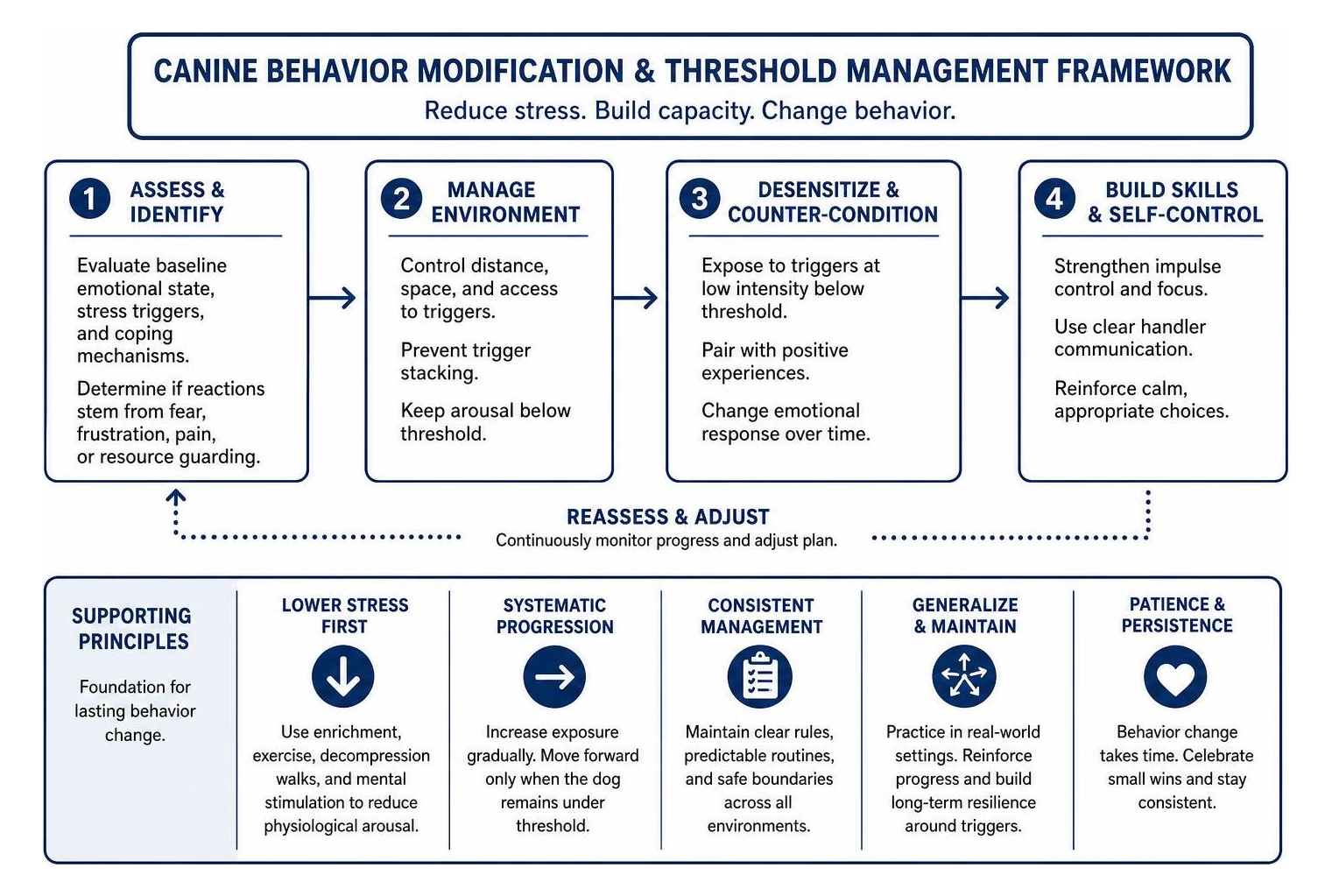
Desensitization exposes the dog to a trigger at a low intensity that does not elicit a defensive reaction. Counter-conditioning changes the dog's emotional response to that trigger over repeated, positive repetitions. Reviewing our 2026 leash reactivity guide offers practical exercises for managing reactions during daily neighborhood outings. Building solid foundational skills like impulse control is equally critical. Incorporating dog training for impulse control helps dogs pause and check in with their handlers instead of reacting impulsively.
Evaluating Triggers and Thresholds in High-Density Urban Environments
San Francisco sidewalks present tight corridors, blind corners, and frequent encounters with off-leash dogs. When a dog encounters multiple stressors in close succession, cortisol levels accumulate. This trigger stacking causes a dog to react to minor stimuli that they might otherwise ignore.
Understanding what real progress looks like with a reactive dog helps owners recognize subtle signs of stress before an outburst occurs:
- Yellow Zone (Early Arousal): Hard staring, closed mouth, stiff posture, slowed movement, or sudden environmental hyper-vigilance.
- Orange Zone (Impending Threshold): Raised hackles, low growling, lip licking, panting under cool conditions, or refusal to take high-value food.
- Red Zone (Over Threshold): Lunging, barking, snapping, or complete loss of handler focus.
When a dog crosses into the Red Zone, cognitive learning stops. The primary goal becomes safety and increasing distance immediately.
Choosing In-Home Intervention and Aggressive Dog Training San Francisco Specialists
Addressing territorial aggression, barrier frustration, or resource guarding often requires on-site evaluation. Working with dog trainers that come to your home allows professionals to assess layout factors like entryways, window views, yard boundaries, and neighborhood foot traffic.
Opting for private dog training ensures an individualized safety plan tailored to your household. When vetting local behavior specialists, ask clear questions regarding their experience:
- What specific protocols do you use when a dog reaches threshold?
- How do you structure environmental setups during training sessions?
- What continuing education or industry credentials do you hold?
- How do you track quantifiable behavioral progress over time?
Practical Steps for Managing and Decompressing Aggressive Dogs in the Bay Area
Rehabilitating an aggressive or hyper-aroused dog requires structured decompression time outside dense city centers. Dogs need regular opportunities to explore open environments where they can sniff and move freely without encountering tight triggers.
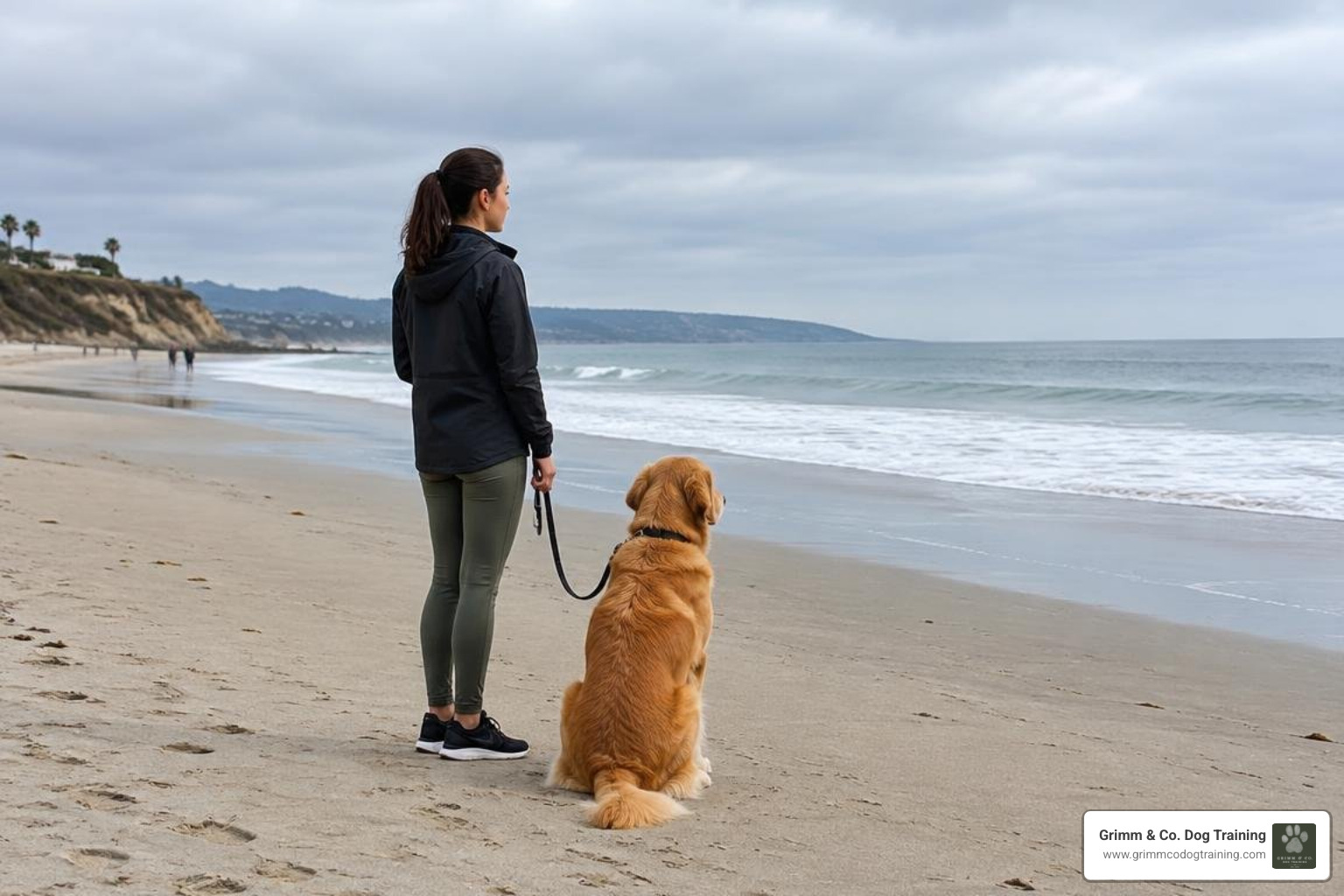
Coastal locations along the Peninsula, such as Mussel Rock Park in Daly City or quiet stretches of coastline near Pacifica and San Mateo County, provide open sightlines. Handlers can consult NOAA Tide Predictions to time outings during low tide, maximizing beach width and maintaining generous safety buffers from other park users. For broader context on managing city walks, explore our ultimate guide to dog training in San Francisco.
Comparing Private Behavior Modification and General Obedience Programs
Owners often ask whether a standard obedience class can resolve dog aggression. Group settings with unfamiliar dogs in close quarters are typically counterproductive for aggressive or fearful dogs.
| Training Parameter | Private Behavior Modification | Standard Group Obedience Class |
|---|---|---|
| Primary Goal | Emotional counter-conditioning and root cause rehabilitation | Cue acquisition (Sit, Down, Stay, Heel) |
| Environment | Controlled, low-distraction, customized settings | Group room with high canine distraction |
| Safety Management | Individualized threshold management and emergency protocols | Basic space boundaries between class participants |
| Suitability for Aggression | Specifically designed for reactive, fearful, or aggressive dogs | Unsafe and counterproductive for aggressive dogs |
| Pacing | Dictated entirely by the individual dog's emotional state | Fixed weekly curriculum schedule |
For dogs displaying intense emotional reactions on leash, dedicated reactive dog training establishes the focus and safety fundamentals needed before any group exposure is considered.
Frequently Asked Questions About Aggressive Dog Training in San Francisco
Does San Francisco Animal Care and Control train privately owned aggressive dogs?
No. SFACC's Behavior and Training Department focuses on evaluating, enriching, and rehabilitating animals residing within the municipal shelter. They do not provide private lessons, group classes, or in-home behavioral evaluations for privately owned pets. SFACC maintains a public directory of Bay Area trainers that pet owners can use to find independent professionals.
How do I safely screen a behavior specialist for dog aggression in the Bay Area?
Screening a professional requires evaluating their hands-on experience, safety protocols, and approach to canine arousal:
- Inquire about their experience handling cases involving your dog's specific triggers.
- Ask how they ensure handler, decoy, and dog safety during assessments.
- Verify whether they use clear, structured behavioral milestones rather than arbitrary timelines.
- Ensure they provide a comprehensive management plan for your home environment.
Can aggressive or reactive behaviors in dogs be fully cured?
Canine aggression is managed and modified rather than cured like a biological illness. A dog's underlying temperament, genetic predispositions, and past experiences remain part of who they are. Through systematic training, clear communication, and consistent threshold management, dogs can learn calm alternative behaviors and live safe, fulfilling lives. Reading our personal account of living with a reactive dog illustrates how long-term commitment and proper routines create lasting behavioral stability.
Building Lasting Behavioral Balance and Reliability
Rehabilitating an aggressive or highly reactive dog takes patience, clear structure, and the right support system. Grimm & Co. Dog Training helps owners across San Francisco, Daly City, and the Peninsula build reliable communication with their dogs through relationship-focused private lessons, structured pack walks, and specialized activities like mantrailing.
Mantrailing gives driven, complex dogs a productive, natural outlet for their mental energy while strengthening handler focus and outdoor reliability. If you need dedicated guidance for your dog's behavioral challenges, explore our tailored dog training services to start your customized training plan.