
Understanding the Root Causes of Canine Aggression
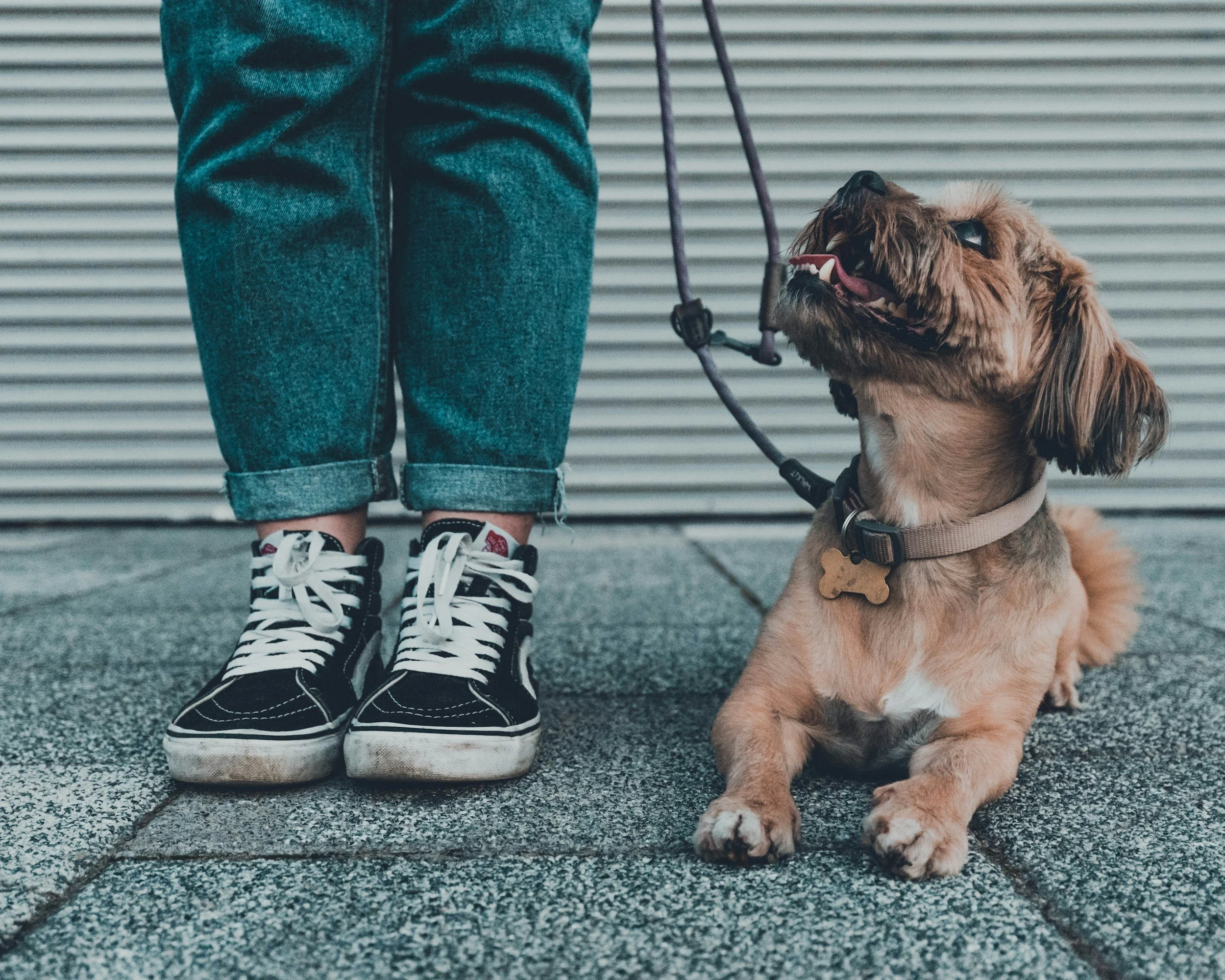
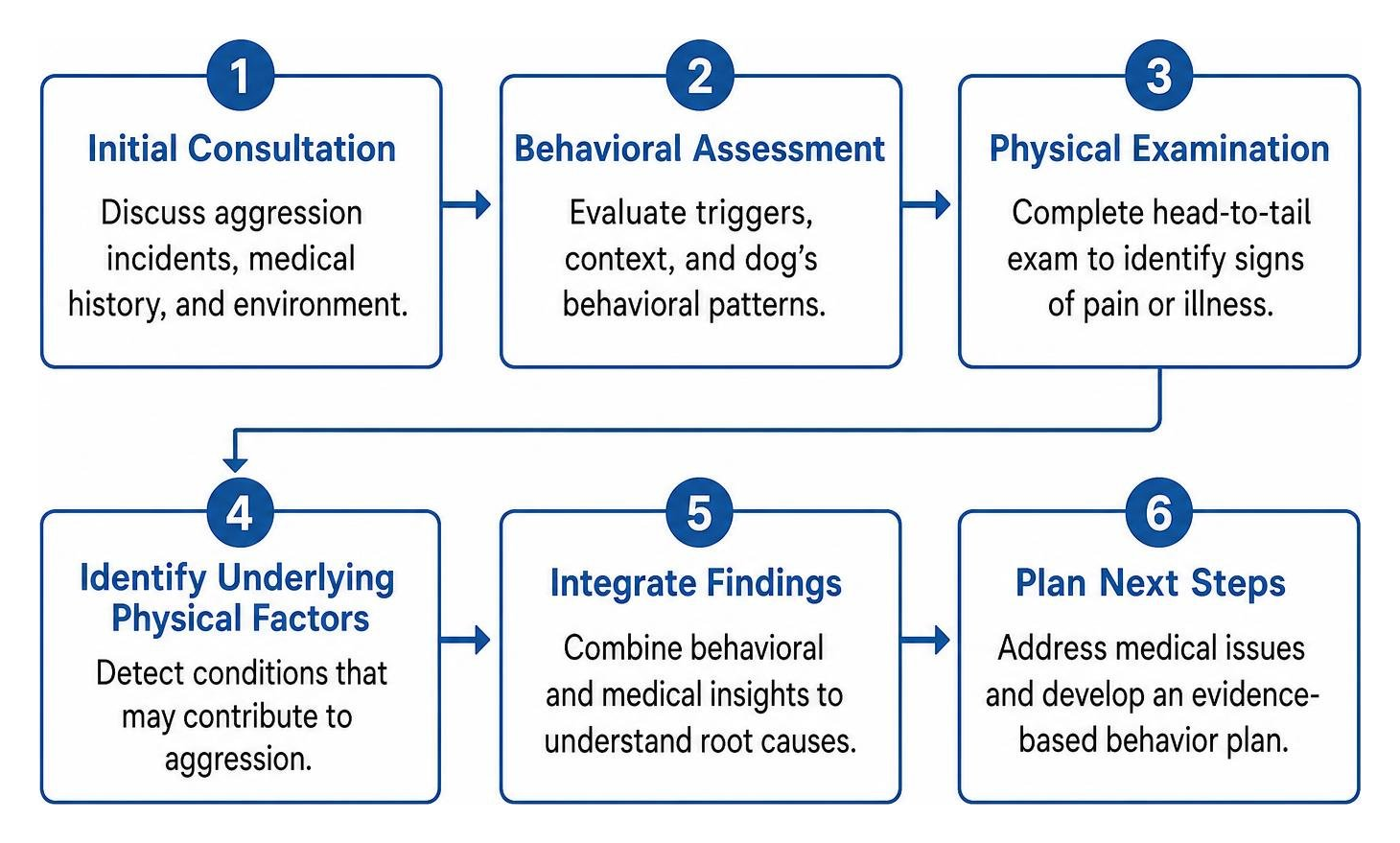
Safely modifying aggressive dog behavior starts with four concrete steps: rule out underlying medical pain through a veterinary exam, implement strict management and safety protocols to prevent rehearsal, keep your dog below threshold during training, and use systematic desensitization paired with counter-conditioning to change the underlying emotional response. Aggression is almost never a random event. When a dog growls, lunges, snaps, or bites, they are communicating an urgent need to increase distance from something they perceive as threatening or overwhelming. Rather than viewing aggression as an inherent personality flaw, professional behavior modification treats it as an observable behavior driven by internal physical states and environmental stressors.
Physical discomfort represents one of the most underdiagnosed contributors to sudden or escalating aggression. Between 28% and 82% of behavior patients evaluated by veterinary behaviorists show clinical signs of underlying pain. Conditions such as hip dysplasia, cruciate ligament tears, spinal arthritis, dental disease, and chronic ear infections significantly lower a dog's emotional resilience. When a dog is in pain, everyday interactions like a hand reaching toward their collar, an approaching stranger, or another dog bounding past can trigger a defensive reaction. Evaluating your dog's physiological baseline through a comprehensive veterinary examination is always the non-negotiable first step before initiating any behavioral plan.
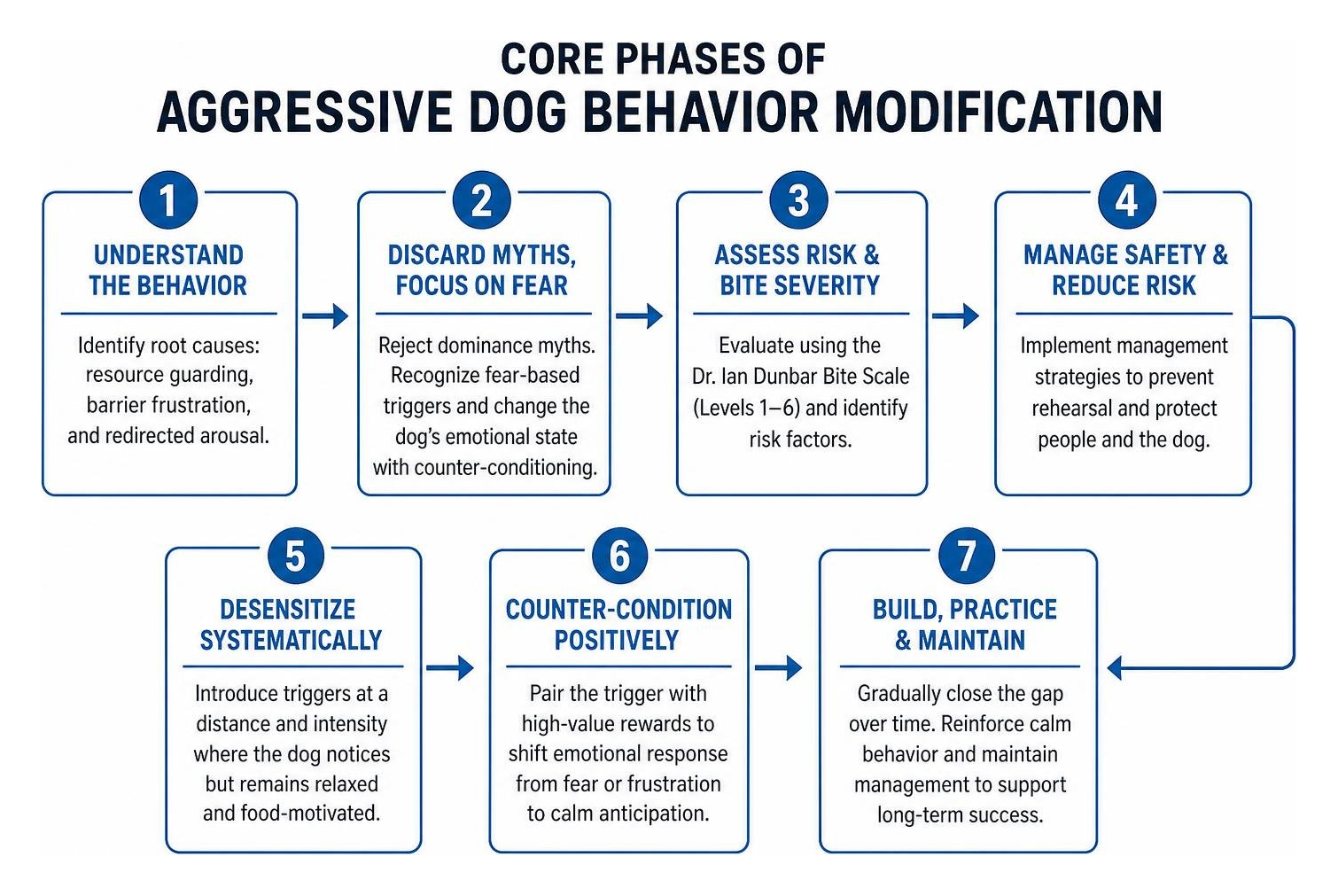
Beyond physical discomfort, aggression stems from specific environmental drivers:
- Fear and Defensive Behavior: Dogs react when they feel cornered or unable to escape an intimidating stimulus.
- Resource Guarding: A survival-driven impulse to protect high-value items, including food, chews, resting spots, or human companions.
- Barrier Frustration: High arousal and restricted movement on leash or behind fences, which can boil over into aggressive displays.
- Redirected Arousal: Intense stimulation where a dog cannot access the primary trigger, leading them to redirect their bite toward the nearest object, animal, or person.
Understanding these underlying mechanisms within natural canine social behavior allows us to design effective, humane behavior modification plans rather than merely suppressing surface symptoms.
Identifying Fear-Based Triggers vs Dominance Myths
For decades, popular media perpetuated the myth that aggressive dogs are attempting to dominate their households or become the pack leader. Modern behavioral science and veterinary consensus have thoroughly debunked this concept. Dominance theory misinterprets natural resource-seeking behaviors and defensive posturing as bids for social rank.
Attempting to physically overpower an aggressive dog through intimidation, physical pinning, or confrontational corrections introduces severe safety hazards. The American Veterinary Society of Animal Behavior (AVSAB) emphasizes that confrontational handling increases fear, damages handler trust, and frequently escalates defensive biting. When a dog displays a hard eye, lifted lip, or raised hackles, they are experiencing an acute fight-or-flight crisis. Modifying that response requires changing their internal emotional state using structured counter-conditioning emotional responses, teaching them that the presence of their trigger predicts safety and rewarding outcomes rather than conflict.
Assessing Risk and Bite Scale Severity
Accurately evaluating risk is vital when designing an intervention plan. We assess bite incidents using objective metrics, most notably the Dr. Ian Dunbar Bite Scale, which categorizes incidents based on objective tissue damage rather than subjective descriptions:
- Level 1: Obnoxious or aggressive behavior with no skin contact made by teeth (air snaps, vocal displays).
- Level 2: Skin contact made by teeth, but no skin puncture. May show minor scrapes or red marks.
- Level 3: One to four shallow punctures from a single bite, shallower than the length of the canine tooth.
- Level 4: One to four deep punctures from a single bite, deeper than the length of the canine tooth, often showing bruising or tissue tearing from shaking.
- Level 5: Multiple bites with deep punctures or a sustained, multiple-bite attack.
- Level 6: Fatal incident resulting in death.
Comprehensive studies of dog-bite-related fatalities show that four or more preventable factors, such as extreme isolation, lack of management, intact status, or absence of capable supervision, co-occurred in 80.5% of fatal cases. A single bite incident also carries immense financial and legal exposure. The typical veterinary or medical cost to clean, close, and medicate a dog bite wound averages $610, with complex injuries ranging from $182 to $2,600. Implementing rigorous safety and risk assessment safeguards both the community and your dog's future.
Core Principles of Aggressive Dog Training Protocols
Modifying entrenched aggression requires a disciplined, structured framework that prioritizes threshold management above all else. A dog cannot learn new emotional associations or master impulse control while actively flooded with adrenaline and cortisol. Our evidence-based training approach centers on keeping dogs sub-threshold, halting the rehearsal of dangerous behaviors, and systematically rewarding calm, voluntary focus.
Desensitization and Counter-Conditioning in Aggressive Dog Training
Systematic desensitization and classical counter-conditioning form the foundation of our behavior modification protocols. Desensitization introduces the triggering stimulus, such as an unfamiliar dog or approaching human, at a distance and intensity where your dog notices the trigger but remains relaxed and capable of taking food.
Counter-conditioning then pairs that visual trigger with high-value rewards, shifting the dog's conditioned emotional response from fear or frustration to calm anticipation. Rather than forcing direct encounters along narrow city corridors or crowded parks, structured reactive dog training methods map exact threshold distances and close the gap incrementally over time, ensuring your dog never feels compelled to defend their personal space.
Developing Calmness and Impulse Control
An emotionally stable dog requires reliable coping mechanisms when encountering sudden environmental surprises. We construct strong baseline obedience behaviors in low-distraction indoor environments before introducing secondary distractions:
- Stationing and Settle Protocols: Teaching the dog to voluntarily seek out a designated mat and maintain a relaxed physical posture.
- Voluntary Focus and Check-Ins: Rewarding the dog for disengaging from the environment and reorienting toward the handler.
- Threshold Boundary Control: Establishing impulse control at physical doorways, vehicle exits, and gates to prevent lunging into high-traffic areas.
By methodically building canine impulse control, we provide dogs with clear behavioral alternatives to reactivity, giving them the tools to process high-stimulus urban environments safely.
Essential Safety Measures and Daily Management at Home
Training cannot succeed if safety is compromised between formal sessions. Management prevents behavioral rehearsal, keeps the household safe, and relieves chronic stress for both handler and dog.
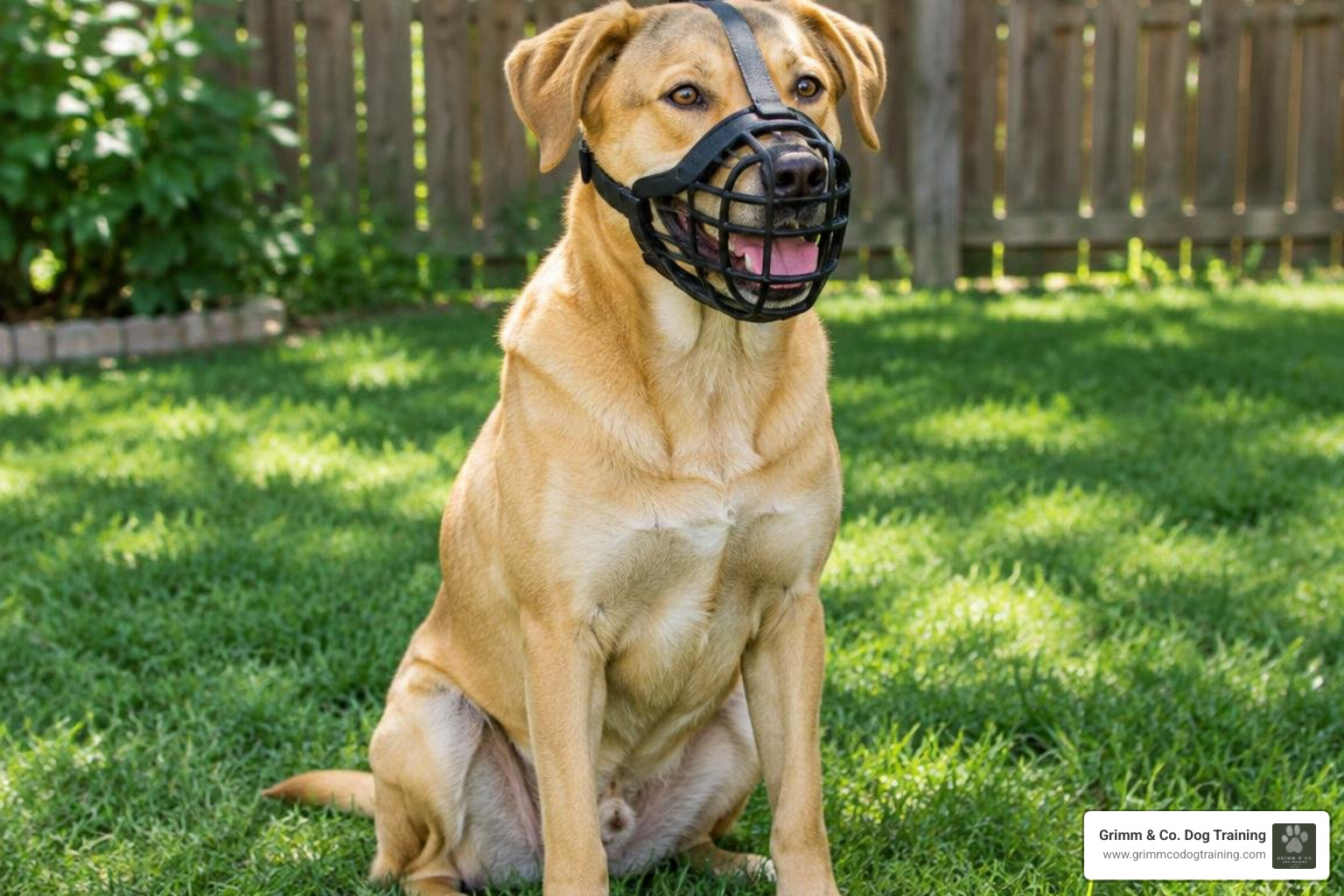
A properly introduced basket muzzle is an indispensable piece of protective equipment, not a punishment. When conditioned through gradual, reward-based shaping, a basket muzzle becomes as neutral to a dog as a standard harness, allowing them to pant, drink water, and accept treats freely while eliminating bite risks during public outings or vet visits.
Inside the home, physical barriers provide vital containment layers. Utilizing secure baby gates, exercise pens, and dedicated rest areas prevents door-dashing, territorial fence-running, and unexpected conflicts with visitors. During transitions or in shared outdoor spaces, double-leash handling, combining a secure flat collar and a sturdy harness attached to separate connection points, ensures redundancy if a clip fails. Establishing these structured in-home safety protocols keeps daily life predictable and controlled.
De-escalation During Sudden Triggers and Near-Bites
Even with meticulous management, unexpected triggers will cross your path on public sidewalks or neighborhood trails. Navigating these high-stress moments smoothly requires practiced emergency routines:
- Emergency U-Turns: Execute a rapid, rehearsed 180-degree turn with an upbeat verbal cue, rewarding your dog as you move together away from the trigger.
- Visual Blocking: Position your body, parked vehicles, or environmental landscaping between your dog and the approaching stimulus to break direct eye contact.
- Trigger Stacking Awareness: Recognize that multiple minor stressors throughout the day, such as a delivery truck, a barking neighbor dog, and a siren, lower your dog's threshold for a severe reaction later in the afternoon.
- Post-Incident Decompression: Following an unexpected encounter, allow your dog ample downtime in a quiet, dark room with a long-lasting chew or puzzle toy to metabolize stress hormones before their next outing.
Professional Intervention and Program Formats
Attempting to resolve moderate to severe aggression without professional oversight can inadvertently reinforce dangerous behaviors. Working alongside qualified dog behaviorists ensures that every phase of your training plan is tailored to your dog's specific bite history, thresholds, and living environment.
Most structured behavior modification programs require an average progression of 12 to 16 classes or targeted private sessions to build durable, real-world reliability. Professional coaching focuses heavily on training the handler, ensuring you develop the mechanical timing, leash skills, and body language literacy required to maintain safety for the life of your dog.
Program Formats for Aggressive Dog Training
Choosing the right training format depends on your dog's bite history, arousal levels, and your daily schedule. Selecting customized private dog training allows us to design a tailored intervention that addresses triggers in your real-world living environment.
| Program Feature | Private In-Home Lessons | Specialized Small-Group Classes |
|---|---|---|
| Primary Environment | Home, neighborhood, and local parks | Controlled training facility or open field |
| Trigger Control | Fully customized, real-world exposures | Standardized distances with helper dogs |
| Bite History Suitability | Essential for Level 3+ bite histories | Limited to mild leash reactivity / Level 1-2 |
| Owner Involvement | 100% hands-on owner coaching | High owner handling with peer observation |
| Progression Pace | Tailored entirely to the individual dog | Follows a structured multi-week curriculum |
Frequently Asked Questions About Modifying Dog Aggression
Can an aggressive dog ever be completely cured?
We view aggression through the lens of long-term behavioral management and emotional modification rather than an absolute cure. A dog with a history of aggression can achieve remarkable reliability, walking calmly through urban environments and living peacefully at home. However, responsible owners must maintain lifelong threshold awareness and management protocols. Setting realistic progress expectations ensures safety without placing the dog in overwhelming situations that could prompt a relapse.
Should you punish a dog for growling?
No, punishing a growl is one of the most hazardous mistakes a handler can make. A growl is a vital early warning signal indicating that your dog is uncomfortable and nearing their threshold. If you suppress the growl through corrections, the underlying emotional distress remains unaddressed. Over time, the dog learns that giving a warning brings conflict, leading to silent bites where the dog snaps without any noticeable pre-warning signals. Always treat a growl as valuable information to create distance immediately.
When is it necessary to seek immediate professional intervention?
You should consult a specialized behavioral professional immediately if your dog has delivered a Level 3 or higher bite that broke skin, exhibits aggression directed toward children, shows sudden unprovoked aggressive outbursts as an adult, or fails to show measurable improvement after four weeks of consistent management. These cases carry high safety risks and demand specialist oversight.
Building Lifelong Safety and Focus for Your Dog

Successfully modifying aggressive behavior requires patience, environmental awareness, and a steadfast commitment to safety. By ruling out underlying physical pain, managing your dog's triggers below threshold, and reinforcing calm behaviors, you transform stressful daily walks into predictable, controlled partnerships.
At Grimm & Co. Dog Training, our relationship-based philosophy helps Bay Area handlers navigate complex behavioral challenges across Daly City, San Francisco, and the Peninsula. Beyond foundation behavior modification, we provide purposeful, structured outdoor outlets like mantrailing, giving high-drive and reactive dogs a productive, enriching weekend hobby that channels their natural instincts into confident, focused teamwork. Explore our comprehensive dog training services to begin developing a clear, customized behavioral plan for you and your dog.