
Why San Francisco Dog Trainer Can Help You to Build Better Behavior
1. Navigating Unique Urban Challenges with a San Francisco Dog Trainer
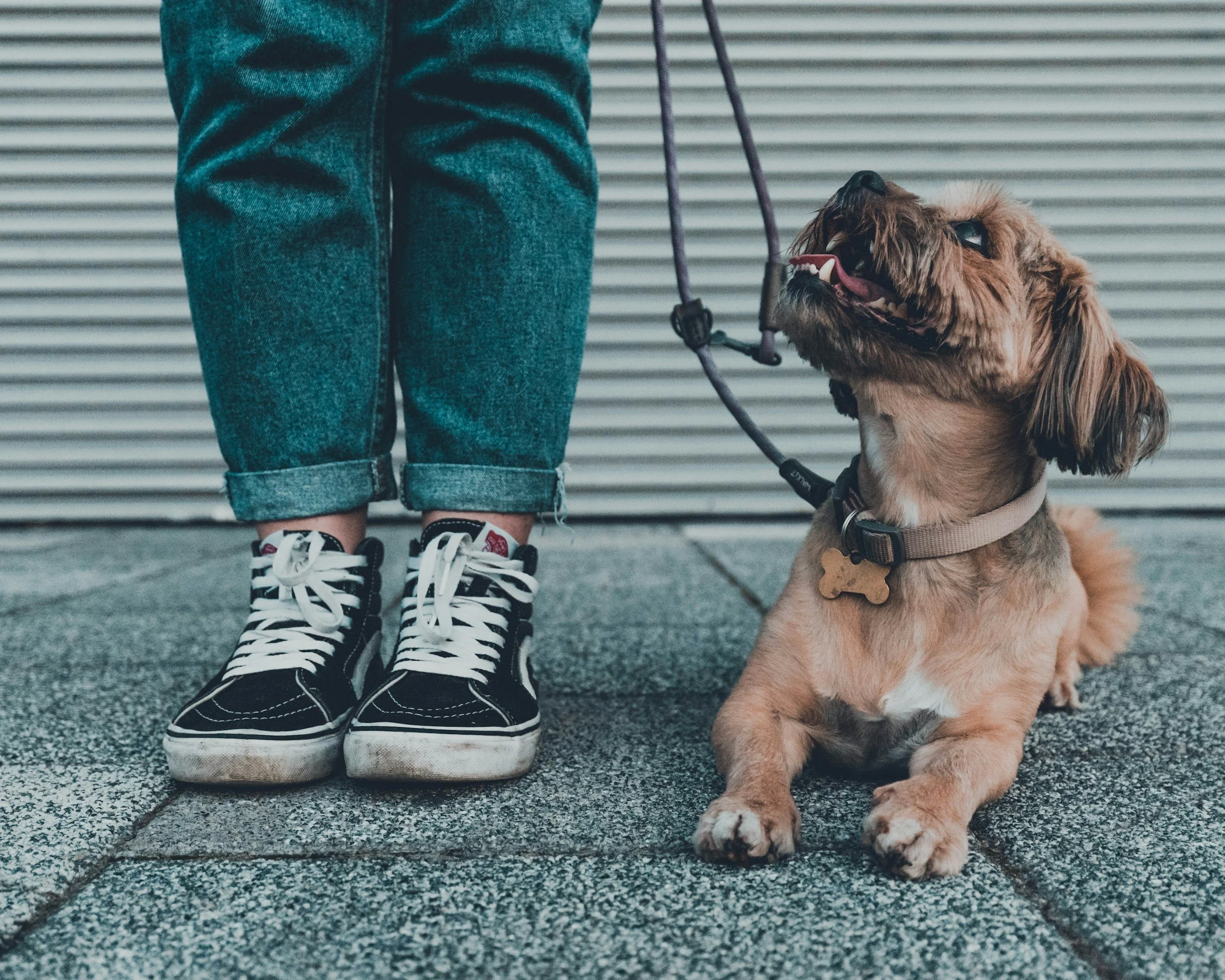
A San Francisco dog trainer helps build better behavior by using structured threshold management and desensitization to address the dense sensory environment of Bay Area streets. Tight sidewalks along Victorian architecture, narrow apartment building elevators, rushing delivery vans, skateboarders, and dogs passing within inches on every street corner create constant stimulation. In dense neighborhoods from Hayes Valley to the Marina, dogs routinely experience trigger stacking, where multiple minor stressors accumulate throughout a walk until the dog loses the ability to process commands or stay calm.
Addressing these challenges requires precise desensitization and counter-conditioning protocols. Rather than pulling your dog tighter on leash or attempting to power through a crowded corridor, a structured approach teaches your dog to look to you when novelty or surprise occurs. For handlers navigating heightened sensitivity on daily routes, targeted reactive dog training san francisco provides practical methods for managing distance, creating safety zones, and teaching alternative responses before stress escalates.
Overcoming High-Density City Triggers
City environments present distinct sensory hurdles:
- Tight Walkways: Navigating narrow residential streets where passing distance is limited to a couple of feet.
- Auditory Sensitivity: Processing sudden sounds such as Muni buses, emergency sirens, cable cars, and construction equipment.
- Transit and Commuter Traffic: Maintaining focus around electric scooters, bikes, and crowded transit hubs.
- Shared Living Spaces: Developing polite elevator manners, quiet hallway transitions, and impulse control at lobby doors.
Building impulse control involves establishing predictable patterns. Teaching a reliable chin rest, a rapid U-turn cue, or an engage-disengage pattern allows you to guide your dog through bustling corridors while keeping their mental arousal below their stress threshold.
Managing Reactivity and Dog-Dense Public Spaces
San Francisco is renowned for its dog-friendly spaces, but unfenced parks and high dog density present significant training hurdles. Leash tension is often the primary driver of reactive outbursts; when a dog feels restricted and unable to increase distance from an approaching dog, frustration or defense takes over.
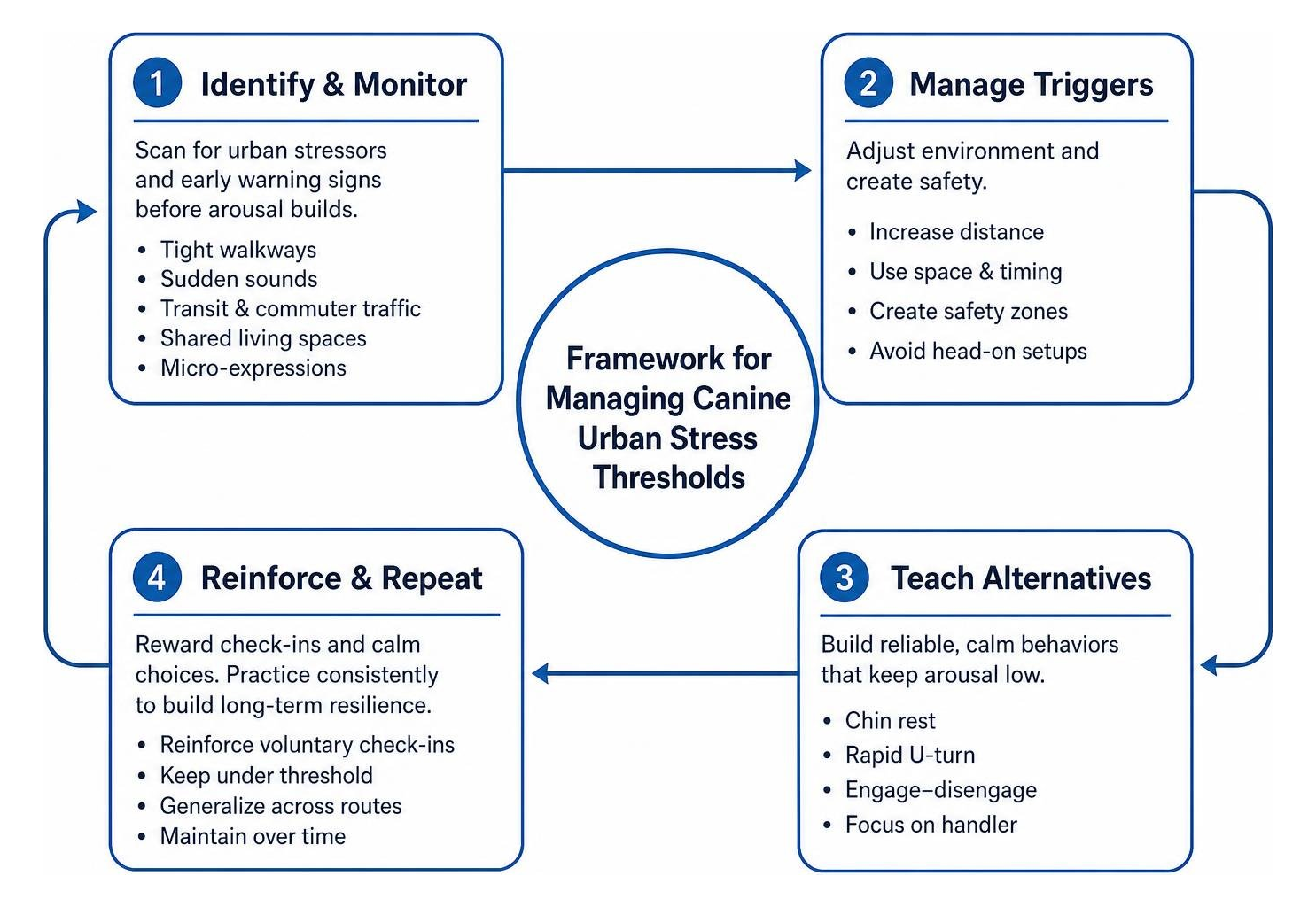
Effective training emphasizes spatial awareness. You learn to read micro-expressions such as lip licking, ear pinning, and body stiffness well before a bark or lunge occurs. By proactively managing threshold distances, rewarding voluntary check-ins, and avoiding head-on greetings on narrow sidewalks, dogs learn that other canines are simply part of the background environment rather than an immediate cue for social interaction or defense.
2. Transforming Behavior Through Science-Backed Reward-Based Training
Modern behavioral science demonstrates that dogs learn effectively when clear communication and structured handling guide the process. Operant conditioning and canine learning theory form the backbone of sound behavior modification. Addressing the underlying emotional state behind a behavior helps create durable, long-term habit changes that hold up in complex environments.
Our structured training approach relies on clear mechanics, predictable marker signals, and functional rewards that build genuine confidence. When a dog understands exactly how their choices influence their environment, their problem-solving abilities expand and daily stress decreases.
Building Reliability with Clear Markers and Functional Reinforcement
Effective behavioral training breaks complex behaviors into clear, achievable criteria. Rather than leaving a dog to guess what is expected on busy neighborhood sidewalks, handlers use marker signals, such as a distinct verbal cue or clicker, to pinpoint the precise moment a desirable behavior occurs.
Reinforcement is then delivered strategically:
- High-Value Food Rewards: Useful for building strong positive associations during initial counter-conditioning or near challenging urban distractions.
- Environmental Rewards: Granting permission to sniff, move forward, or explore once calm focus is established.
- Predictable Handler Guidance: Consistent handling mechanics that provide safety, clear boundaries, and confidence in busy spaces.
This systematic process creates clear expectations, encouraging dogs to actively choose engagement and impulse control in distracting public settings.
How a San Francisco Dog Trainer Addresses Root Causes of Fear
Fear-based behaviors such as backing out of collars, freezing at crosswalks, or vocalizing at approaching strangers require systematic desensitization. A professional trainer sets up sub-threshold exposure, finding the exact distance or intensity at which your dog can perceive the trigger while remaining calm enough to process information and take food rewards.
By pairing the sight of urban stressors with rewarding outcomes, the dog's emotional response shifts from vigilance to positive anticipation. Over time, predictable safety cues and structured decompression break the cycle of stress, allowing dogs to navigate dense city centers comfortably.
3. Integrating Holistic Wellness, Enrichment, and Outdoor Outings
Behavior does not exist in a vacuum. A dog experiencing physical discomfort, chronic digestive upset, or extreme boredom cannot maintain the impulse control needed for city life. Holistic wellness considers how biological fulfillment, daily enrichment, and physical wellness interact with behavioral stability.
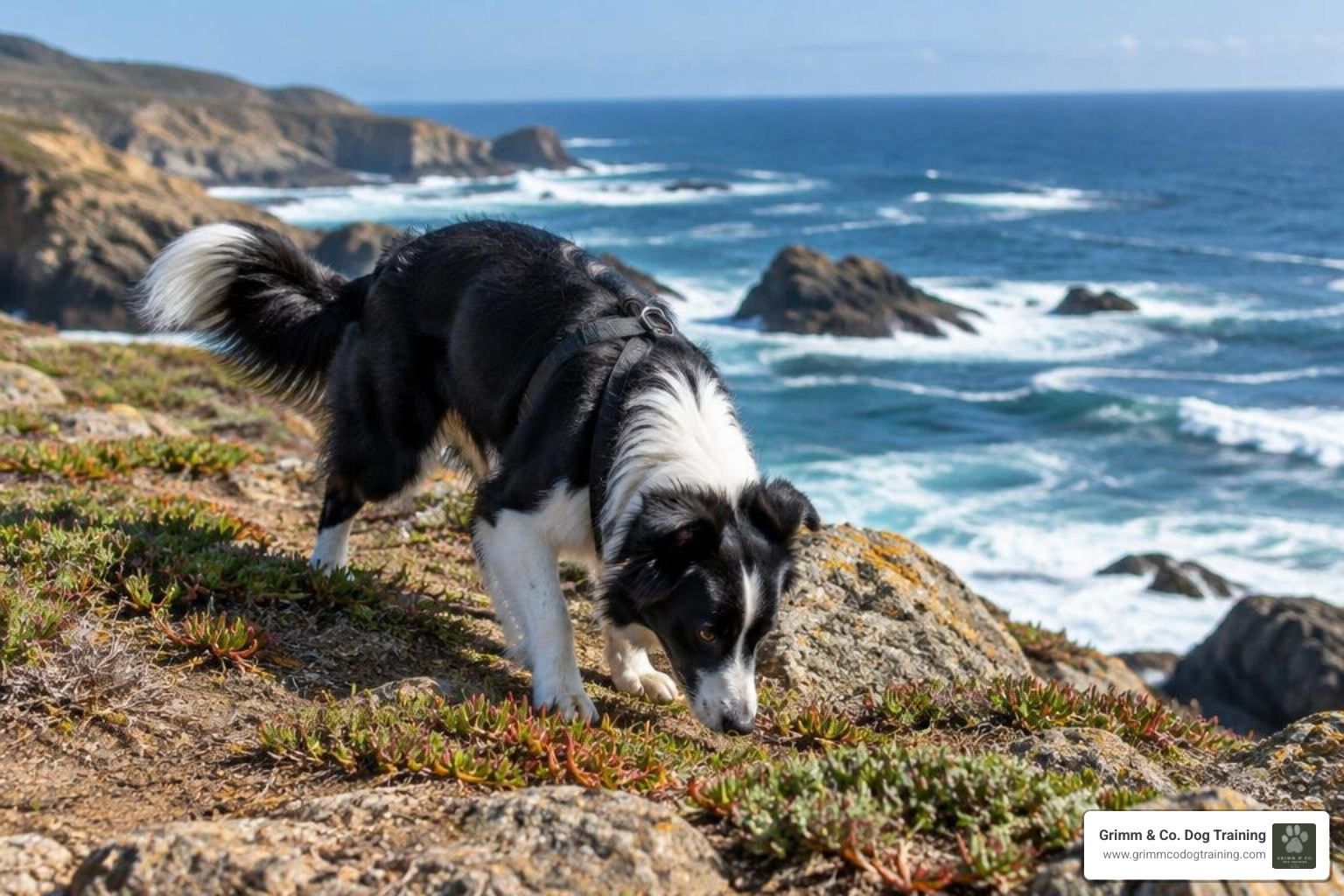
A well-balanced routine pairs physical exercise with mental outlets. Joining a structured pack walk san francisco allows dogs to practice parallel walking and social neutrality in controlled outdoor settings. For off-leash decompression and natural sensory exploration, open coastal spaces like Mussel Rock Park and Beach - Dog-Friendly in Daly City provide an ideal environment for dogs to decompress away from urban noise.
The Connection Between Nutrition, Mental Stimulation, and Calm Behavior
Diet directly impacts behavioral health via the gut-brain axis. Chronic inflammation or nutritional gaps can manifest as hyper-arousal, touch sensitivity, or erratic sleep cycles. In tandem with nutritional wellness, daily mental stimulation is essential.
Sniffing walks, foraging games, and problem-solving puzzles tap into natural canine foraging patterns. Allowing a dog to spend twenty minutes sniffing along a quiet route activates the parasympathetic nervous system, lowering cortisol levels and promoting restorative rest at home.
Structured Outdoor Activities and Mantrailing as a Mental Outlet
City life rarely satisfies a dog's predatory motor patterns or natural working instincts. To channel this energy constructively, scent-based sports provide an unparalleled outlet. Mantrailing, the sport of training dogs to find a specific person using their unique scent profile, transforms instinctive searching drives into focused, cooperative teamwork.
Mantrailing offers exceptional benefits:
- Deep Cognitive Engagement: Processing complex scent plumes requires sustained mental concentration that naturally calms high-energy working breeds.
- Confidence for Anxious Dogs: Working independently on a long line to track a scent trail builds autonomy and resilience.
- Structured Weekend Hobby: It offers handlers an engaging outdoor routine across varied Bay Area microclimates, from coastal trails in Pacifica and Daly City to urban parks.
- Universal Accessibility: Dogs work individually, making mantrailing suitable for dogs that require extra space from other canines.
4. Selecting the Right Behavior Professional for Your Canine Companion
Dog training is an unregulated field, which makes verifying credentials essential for your dog's safety and well-being. Look for professionals certified through independent, testing-based organizations that require continuing education and adherence to ethical standards.
When evaluating local options, prioritize trainers who are transparent about their methods and credentials. For families needing direct, customized coaching tailored to their exact living situation, scheduling private dog training allows a professional to address real-world challenges directly in your home, lobby, and neighborhood walking routes.
Key Certifications and Qualifications to Look For
Prioritize practitioners who hold accredited designations:
- CPDT-KA (Certified Professional Dog Trainer - Knowledge Assessed): Validates expertise in learning theory, instructional skills, and animal husbandry.
- CTBC (Certified Training and Behavior Consultant): Demonstrates rigorous academic and practical training through the Dog*tec Behavior Center.
- FDM (Family Dog Mediator): Focuses on assessing genetics, learning history, environment, and physical health.
- Fear Free Shelter / Fear Free Professional: Certified in handling techniques that actively minimize fear, anxiety, and stress during interactions.
Essential Questions to Ask a San Francisco Dog Trainer
Before hiring a behavior professional, ask targeted questions to ensure their methodology aligns with your values:
- What mechanical skills and reward systems do you use to teach alternative behaviors?
- How do you manage the environment if my dog becomes overwhelmed or over threshold during a session?
- What is your plan for breaking down complex behaviors into achievable, low-stress criteria?
- Do you have continuing education credentials in animal behavior and learning theory?
- How will you customize training exercises to our neighborhood, apartment layout, and daily routine?
Frequently Asked Questions About Urban Dog Training
How do I know if my dog needs private coaching or group classes?
If your dog barks, lunges, hides, or cannot take treats around other dogs or people, private coaching is the safest and most effective starting point. Group classes can overwhelm a stressed dog, hindering their ability to process information. Private lessons allow you to build foundational mechanics in a low-distraction environment. Once your dog demonstrates reliable responses, group classes provide an excellent arena for proofing skills around controlled distractions.
What role does shelter-based enrichment play in modern behavioral techniques?
Shelter enrichment programs, such as the Fetch Program at San Francisco Animal Care & Control (SFACC), highlight the power of science-based welfare strategies. By offering long-term shelter dogs nose work, decompression activities, and reward-based training, these programs significantly reduce environmental stress and improve adoptability. Modern urban training adapts these exact principles, proving that daily enrichment and humane handling are critical for emotional regulation.
How quickly can I expect to see behavioral progress in a city setting?
Behavior modification depends on your dog's emotional baseline, the severity of their triggers, and the consistency of daily practice. While you will often see improvements in communication and engagement within a few sessions, resolving ingrained reactivity or deep-seated fear typically takes several months of steady, sub-threshold work. Consistent environmental management combined with daily micro-training sessions yields the most durable, reliable results.
Building Lasting Harmony with Grimm & Co. Dog Training
Navigating the bustling streets of the San Francisco Bay Area does not have to be a daily struggle. By understanding the root causes of urban stress, applying science-backed training protocols, and fulfilling your dog's biological needs through enrichment and outdoor sports like mantrailing, you can transform your everyday outings.
At Grimm & Co. Dog Training, we specialize in relationship-focused, community-centered guidance across San Francisco, Daly City, and the Peninsula. Whether you are navigating leash sensitivity on city blocks or looking for a structured weekend outdoor sport, our team is here to support you. Explore our comprehensive dog training services to start building clear communication and confident behavior today.