
The Ultimate Guide to Dog Training in Daly City CA
Real Dog Training in Daly City Demands More Than a Simple Sit
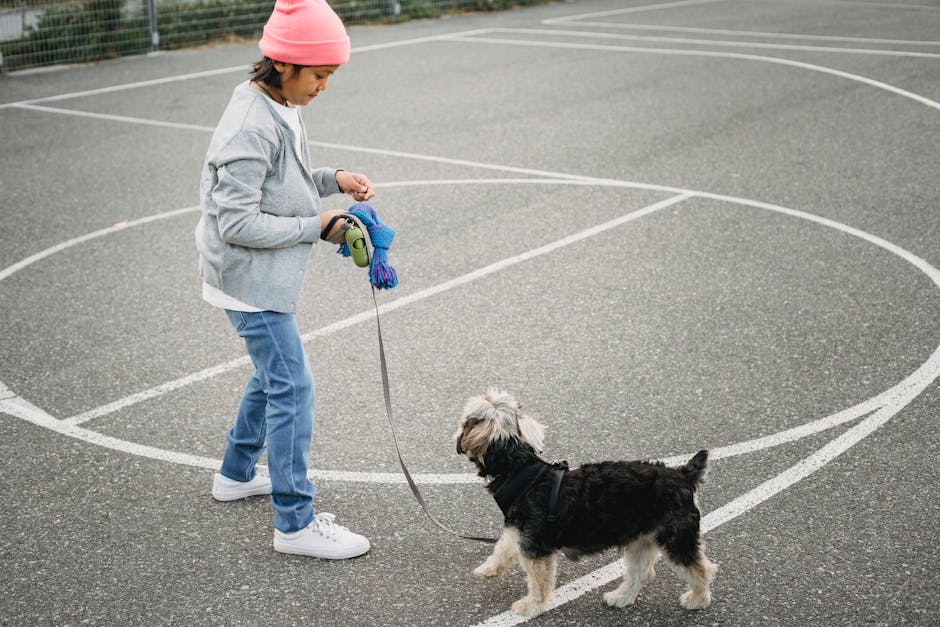
Navigating the Peninsula requires a dog to possess sophisticated skills. Private training addresses acute reactivity and puppy development in your home, while structured group classes and pack walks build neutrality around real world distractions. For high drive breeds, specialized activities like mantrailing channel natural instincts into productive work.
Daly City is a demanding environment for any dog. Dense foot traffic, narrow sidewalks, unpredictable urban stimuli, and close proximity to San Francisco mean your dog operates near their stress threshold on a routine basis. This is not a training problem solved by a generic obedience course designed for a quiet suburb.
The trainers serving this area range widely in methodology, credentials, and actual results. Some are certified force free practitioners with real behavior science behind their approach. Others are not, and local directory searches frequently surface personal trainers and reiki studios before they surface anyone who has actually worked with a dog. The gap in quality is significant, and it matters more here than it would in a low stimulation environment.
I am Bailey Milne-Davies, and my path into dog training in Daly City, CA started with my own dog Grimm, a social, strong willed dog who taught me more about threshold management and relationship based training than any single course could. Since then, I have completed professional obedience training at Tarheel Canine, studied dog sports including mantrailing and barn hunt, and built Grimm and Co. Dog Training specifically around the environments and challenges South Bay dog owners actually face.
Threshold Management Is the Whole Game
Living in the San Francisco Bay Area means navigating a landscape of high sensory input. For a domestic dog, a simple walk down Gellert Boulevard or around Thornton State Beach is not just exercise. It is a complex processing event. When we design our dog training services, we prioritize threshold management because it dictates whether a dog can actually learn or if they are simply surviving the walk.
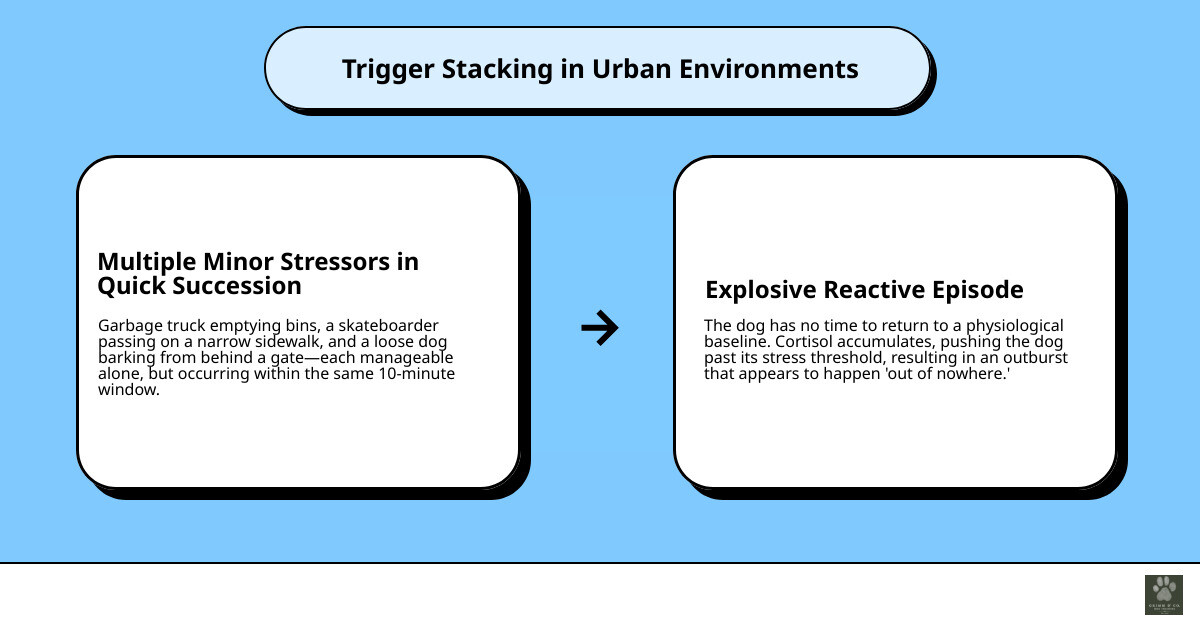
Trigger stacking occurs when multiple minor stressors occur in rapid succession. A garbage truck emptying a bin, a skateboarder passing on a narrow sidewalk, and a loose dog barking from behind a gate might each be manageable individually. When they occur within the same ten minute window, they accumulate. The dog has no time to return to a physiological baseline, and the result is often an explosive reactive episode that seems to happen out of nowhere.
Understanding the biological reality of this process is central to effective behavior modification. Scientific research on canine stress and cortisol levels demonstrates that once a dog is pushed past their stress threshold, cortisol and adrenaline flood their system. This physiological state actively inhibits the prefrontal cortex, making cognitive learning impossible. If you attempt to correct or even reward a dog when they are in this state, you are wasting your time and theirs.
By structuring our training around the specific urban density of Daly City, we teach handlers how to read subtle physiological precursors before the threshold is crossed. This includes changes in respiration, pupil dilation, ear positioning, and muscle tension. Managing the environment and maintaining proper distance from triggers allows us to keep the dog in a state of calm focus where real learning can actually occur.
Evaluating Expertise Beyond the Marketing Hype
The local pet services market is crowded with conflicting philosophies and confusing terminology. Standard search directories are notoriously unreliable, often recommending human fitness trainers, physical therapists, or esoteric practitioners when you are searching for canine behavior help. To make an informed decision, you must look past search engine anomalies and evaluate a professional based on their actual understanding of behavioral science.
The terms used in this industry are unregulated, meaning anyone can call themselves a trainer. Some practitioners market themselves as dog behaviorists, a title that should ideally be reserved for those with advanced academic degrees in animal behavior or veterinary medicine. Others adopt titles like dog whisperers, relying on charisma and outdated dominance theories rather than empirical science. A serious dog owner must demand credential verification and a clear explanation of methodology.
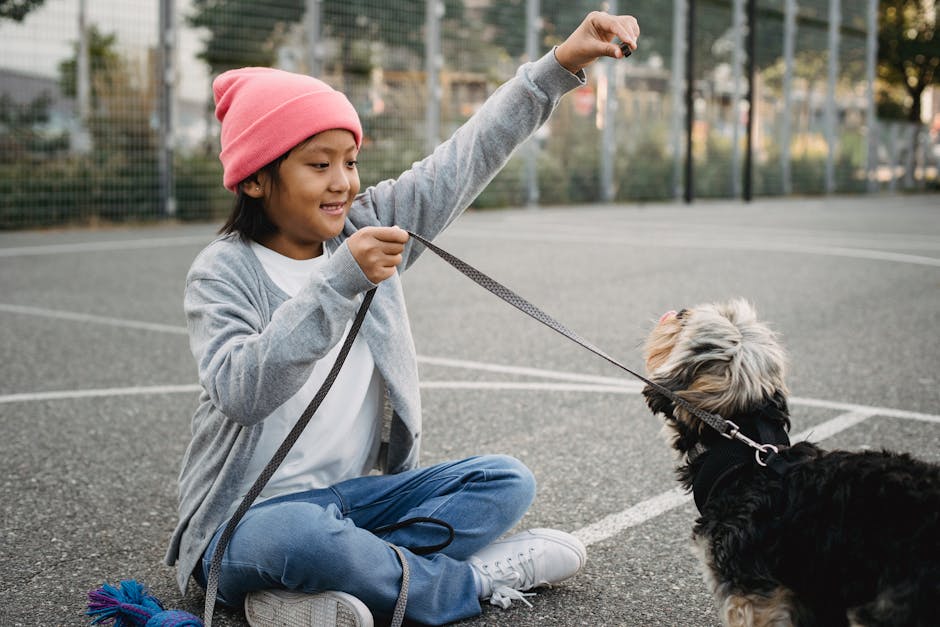
A professional approach is rooted in the principles of operant and classical conditioning. It avoids the use of intimidation, fear, or physical force to achieve compliance. When you work with a specialist who understands the nuances of canine learning theory, you will see a clear focus on setting the dog up for success rather than waiting for them to fail so they can be corrected.
Deciphering the Credentials of a Qualified Specialist
When evaluating a specialist for dog training in Daly City, CA, look for national certifications that require rigorous testing and continuing education. Organizations like the Certification Council for Professional Dog Trainers offer independent verification of a trainer's knowledge and practical skills. Working with a certified professional ensures that your instructor is bound by a strict ethical code and uses modern, humane methodologies.
Our training approach is built on positive reinforcement because the empirical evidence supporting its efficacy is overwhelming. A prominent Study on the efficacy of positive reinforcement training shows that force free methods yield more reliable behavior and lower overall stress levels compared to correction based training. Positive reinforcement is not about bribing a dog with treats, it is about building a highly motivated partner who actively wants to cooperate with you.
True behavior modification goes beyond teaching basic commands like sit or down. It involves changing the dog's underlying emotional response to a trigger. If a dog is terrified of other dogs, teaching them to sit while a dog passes does not solve the fear, it merely masks the symptom. A qualified specialist uses systematic desensitization and counter conditioning to change how the dog feels about the trigger, which naturally resolves the unwanted outward behavior.
The Critical Difference Between In Studio and Real World Environments
Many training facilities operate out of sterile, climate controlled indoor studios. While these spaces are excellent for introducing a brand new behavior to a puppy, they have a major limitation because dogs do not generalize behaviors easily. A dog who demonstrates perfect obedience inside a quiet indoor facility will often fail completely when asked to perform the same behavior on a windy afternoon at Westlake Shopping Center.
Our mobile training and dog obedience training classes are designed to solve this exact problem by taking the training directly to where real life happens. We work in the parks, on the sidewalks, and in the public spaces where you actually live and travel. This ensures that the behaviors we teach are durable and functional under real world conditions.
While in studio training offers a low distraction environment suitable for raw skill acquisition, it fails to mimic daily triggers. Real world mobile training introduces dynamic, realistic distractions naturally, making generalization seamless. This high relevance to daily stressors is essential for genuine behavior modification.
By systematically increasing environmental complexity, we help your dog generalize their skills. We might start in a quiet corner of your living room, move to your driveway, transition to a quiet side street in South San Francisco, and eventually practice near the high distraction environments of Jack London Square or Muscle Rock Park. This careful progression is the only way to build reliable real world obedience.
Designing a Systemic Plan for Long Term Reliability
Achieving lasting behavioral change requires a structured, systemic approach rather than a series of disconnected private lessons. A well designed dog training program serves as a roadmap, guiding you through the developmental stages of a young dog or the rehabilitation process of an adult dog. It ensures that both handler and dog are moving toward clear, measurable goals.
Effective dog training for dogs must address the unique needs of the individual animal. For a young puppy, the focus is on proactive socialization, environmental confidence, and preventing the development of bad habits. For an adult dog with established behavioral issues, the focus shifts to identifying the root cause of the behavior, modifying the emotional response, and teaching alternative coping strategies.

The success of any program relies heavily on handler education. We do not just train your dog, we teach you how to read your dog's body language, how to deliver timely feedback, and how to manage your environment. This comprehensive approach ensures that you have the skills and confidence to maintain your dog's training long after our formal sessions are complete.
Why Group Classes and Pack Walks Build True Neutrality
Many dog owners mistake socialization for active play. They believe their dog needs to greet every person and dog they encounter on the street. This expectation often leads to frustrated greeting behavior, leash reactivity, and general over arousal in public spaces. Our group classes and structured pack walks are designed to teach the exact opposite skill, which is social neutrality.
Social neutrality is the ability of a dog to remain calm, focused, and relaxed in the presence of other dogs and people without needing to interact with them. In our structured pack walks, dogs walk together at a comfortable distance, moving in the same direction without face to face greetings. This format removes the pressure of interaction and teaches the dog that the presence of other dogs is simply a neutral background element.
This approach is highly effective for managing leash reactivity. When a dog learns that they do not have to prepare for an intense social interaction or defend their space, their arousal levels drop significantly. They can walk calmly through busy areas of Daly City, focusing on their handler rather than scanning the horizon for potential triggers.
Advanced Engagement Through Specialized Activities Like Mantrailing
For many high drive or working breeds, standard obedience walks are not enough to satisfy their mental and physical needs. Without appropriate outlets for their natural instincts, these dogs often develop unwanted behaviors like destructive chewing, excessive barking, or hyper vigilance. This is where specialized training classes dog sports like mantrailing become invaluable.
Mantrailing is a search and rescue style sport where a dog uses their highly developed sense of smell to find a specific person who has hidden. Unlike obedience training, which requires the dog to suppress their natural instincts, mantrailing actively harnesses their natural scenting capability. It is an instinct driven game that provides deep mental enrichment and builds immense confidence in shy or anxious dogs.
Because mantrailing requires close teamwork between the handler and the dog, it naturally strengthens the relationship bond. The handler learns to trust the dog's nose, and the dog learns to work cooperatively with the handler to solve a complex scent puzzle. It is an exceptional outlet for dogs of all ages and breeds, offering a level of mental fatigue that physical exercise alone can never replicate.
Practical Realities of Professional Behavior Services
What is the typical cost of professional dog training in the Bay Area
Professional dog training rates in the San Francisco Bay Area reflect the high level of expertise, continuing education, and insurance required to operate a professional business. Rates vary depending on the format of the training, the severity of the behavior issues, and the experience level of the practitioner. You can generally expect to pay more for specialized behavior modification than for basic puppy obedience.
Private, one on one sessions typically range from one hundred and fifty to three hundred dollars per hour, with package rates offering a more cost effective option for ongoing work. Group classes and structured programs provide excellent value for building neutrality and practicing skills around distractions. When assessing the cost, it is crucial to consider the long term value of working with a certified professional who can resolve issues efficiently and safely, preventing costly behavioral fallout down the road.
How do I address severe leash reactivity and separation anxiety
Severe behavior issues like leash reactivity and separation anxiety require a systematic, science based approach. For leash reactivity, we focus on identifying the dog's exact threshold distance and using counter conditioning to pair the sight of the trigger with high value rewards. This process gradually reduces the dog's sensitivity, allowing them to remain calm at closer distances over time.
Separation anxiety is addressed through a structured desensitization protocol. We break down the process of leaving the home into tiny, manageable steps, starting with pre departure cues like picking up keys or putting on shoes without actually leaving. We then build up the duration of absence slowly, always returning before the dog shows any signs of distress. This careful approach prevents the panic response from triggering, helping the dog learn that being alone is safe.
What to Expect From a Professional Dog Training Daly City CA Program
A professional training program begins with a thorough initial consultation to assess your dog's behavior, discuss your goals, and identify any environmental factors contributing to the issue. Following the assessment, we design a customized training plan tailored to your lifestyle and your dog's specific needs. We focus on practical, real world skills that make your daily life easier and more enjoyable.
Throughout the program, we provide clear guidance, hands on coaching, and detailed homework instructions to ensure you feel supported between sessions. We track your dog's progress systematically, adjusting our approach as they hit their developmental milestones or progress through their behavior modification plan. You can expect a professional, transparent relationship focused entirely on helping you and your dog thrive together.
Committing to the Process
Navigating the challenges of raising a dog in the dense, high stimulation environments of the San Francisco Bay Area requires more than generic advice or quick fix promises. It demands a deep understanding of canine behavior science, a commitment to relationship based training, and a structured plan designed for real world conditions. Whether you are working through complex reactivity, raising a new puppy, or looking for advanced mental enrichment, the right support makes all the difference.
At Grimm and Co. Dog Training, we are dedicated to helping owners in Daly City, San Francisco, and the surrounding South Bay communities build strong, cooperative relationships with their dogs. Our comprehensive dog training classes are designed to help you achieve your goals and enjoy a peaceful, active life with your companion. If you are ready to start your training journey with a professional, science based team, we invite you to contact us today to schedule your initial consultation.