
The Science Behind Reward-Based Canine Learning

Modern canine behavioral science relies heavily on operant conditioning, a framework that explains how animals learn through the consequences of their actions. When a dog performs a desired behavior and receives immediate reinforcement, their brain releases dopamine. This neurochemical release strengthens synaptic connections, turning deliberate choices into reliable habits. Our evidence-based training approach leverages these mechanisms to create high behavioral momentum, helping dogs enthusiastically repeat polite actions like loose-leash walking or staying calm at a busy sidewalk cafe.
By prioritizing clear communication and structured rewards, dogs experience lower baseline cortisol levels during learning sessions. This low-stress state optimizes neuroplasticity and ensures lasting retention, allowing complex skills to hold up under the pressure of dense South Bay environments.
| Training Feature | Reward-Based & Relationship-Focused | Aversive-Heavy Approaches |
|---|---|---|
| Primary Learning Mechanism | Operant conditioning via positive reinforcement and clear boundaries | Avoidance learning driven by pressure or physical correction |
| Emotional Impact | Elevates dopamine, builds confidence, reduces baseline stress | Can increase cortisol and induce avoidance or frustration |
| Skill Retention | High long-term retention through intrinsic motivation | Requires persistent correction thresholds to maintain compliance |
| Handler Relationship | Builds mutual trust, handler focus, and active engagement | Risks conflict, wariness, or dynamic suppression |
| Safety in Dense Settings | Teaches proactive impulse control around triggers | May mask early stress signals until a reaction occurs |
Understanding Root Causes Over Surface Suppression
Many frustrating behaviors stem from underlying emotional states such as fear, frustration, or chronic overstimulation. When a dog barks lungingly on leash, simply suppressing the vocalization ignores the panic or hyper-arousal driving the response. If the emotional trigger remains unaddressed, the dog may escalate to more severe defensive behaviors later.
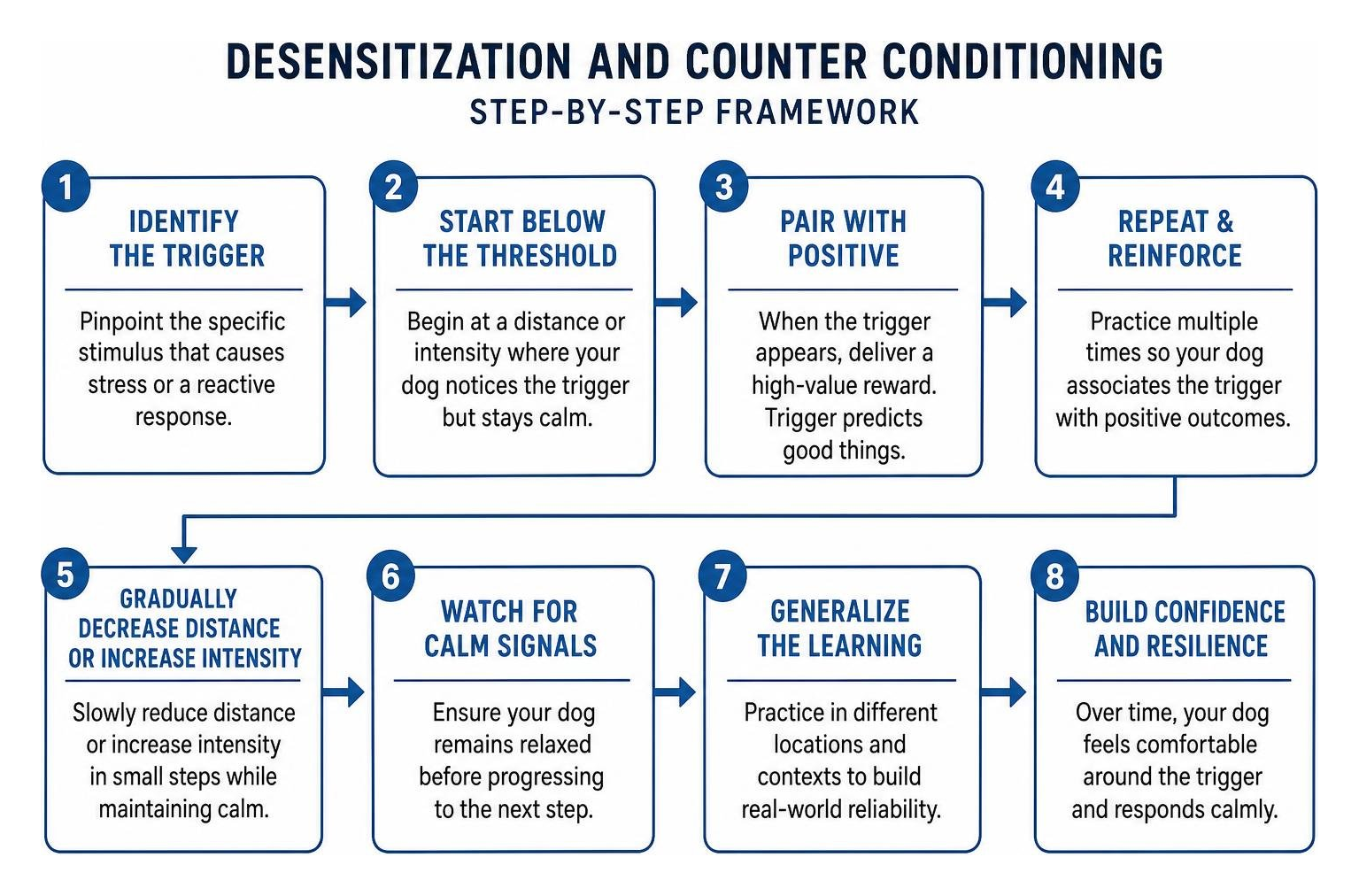
Through systematic counter-conditioning and desensitization, we change the dog's internal emotional response to specific triggers. Our dog obedience training classes guide handlers through controlled exposure exercises. This structured work teaches emotional regulation, preventing bite incidents and building genuine confidence from the inside out.
Establishing Sustainable Motivation Without Bribery
A common misconception is that reward-based systems rely indefinitely on food bribes. Professional coaching distinguishes clearly between a bribe (showing food to entice action) and a secondary reinforcer (using a marker to signal a successfully completed behavior).
- Marker Timing Precision: We teach you to capture the exact microsecond your dog offers the correct posture or eye contact using a distinct verbal marker.
- Variable Reinforcement Schedules: Once a behavior is reliably patterned, continuous rewards transition to intermittent schedules, which solidifies long-term compliance.
- Fading Lures: Food lures are removed early in the learning sequence so your dog responds to subtle verbal cues and body language rather than visible treats.
- Functional Life Rewards: We integrate environmental reinforcers, such as sniffing opportunities or continuing a walk, to maintain real-world compliance throughout South Bay neighborhoods.
What to Look for When Hiring a South Bay Dog Trainer
Navigating pet care services requires careful evaluation of methodology, practical expertise, and continuing education. A qualified professional should possess deep knowledge of canine cognition, functional behavior analysis, and the unique challenges of urban living in communities like San Mateo, Burlingame, and Mountain View.
When reviewing comprehensive dog training services, look for instructors who offer transparent training plans and clear explanations for why specific protocols are selected for your dog.
Evaluating Credentials and Methodologies of a South Bay Dog Trainer
When vetting a professional to work with your family, prioritize evidence of structured education and commitment to continuing professional development. Learn more about our background on our trainer credentials and about me page to understand how formal education shapes hands-on execution.
Key evaluation criteria include:
- Systematic Assessment Protocols: Does the trainer assess your dog's lifestyle, exercise levels, diet, and physical health before designing a behavioral plan?
- Clear Articulation of Principles: Can the trainer explain how they fade rewards and build real-world neutrality without relying on vague jargon?
- Safety and Handler Education: The trainer should focus heavily on coaching you, providing mechanical handling skills that keep everyone safe on busy trails and sidewalks.
The Value of Clear Owner Communication and Body Language Guidance
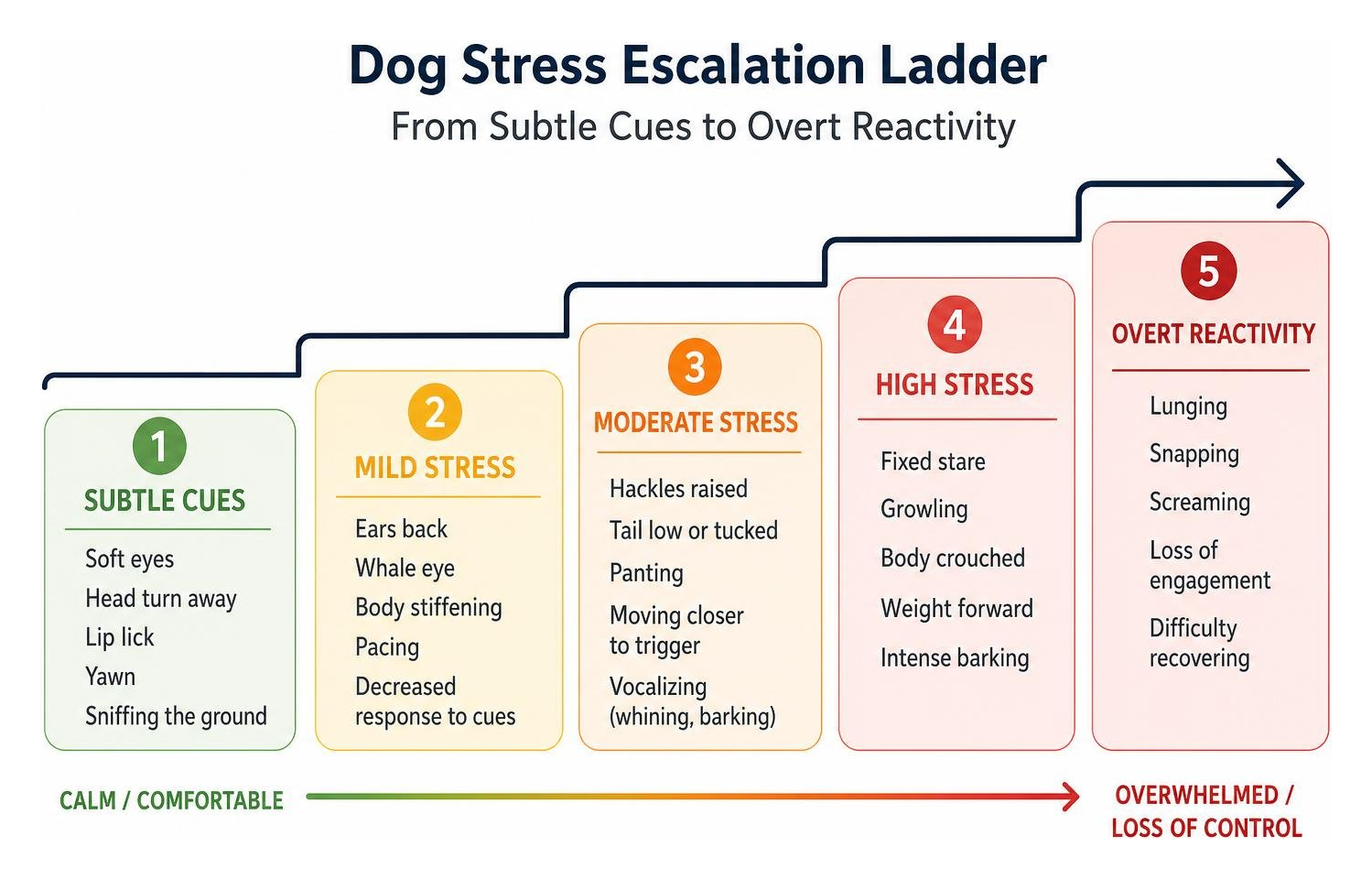
Canine communication relies heavily on subtle body language. Dogs constantly broadcast their emotional states through ear posture, weight shifts, tail carriage, and facial tension. Misinterpreting these cues can lead owners to push dogs past their coping thresholds, resulting in sudden reactivity.
We teach handlers to read subtle signs of displacement and stress, such as lip licking, yawning, or sudden ground sniffing. By adjusting your own posture, leash tension, and spatial positioning, you become a predictable leader your dog can rely on when navigating crowded South Bay parks.
Core Behavioral Challenges Addressed by Modern Training Methods
Urban and suburban living creates complex behavioral pressures on pet dogs. From navigating high-density foot traffic along coastal paths to managing multi-pet dynamics at home, structured training addresses these lifestyle challenges directly.
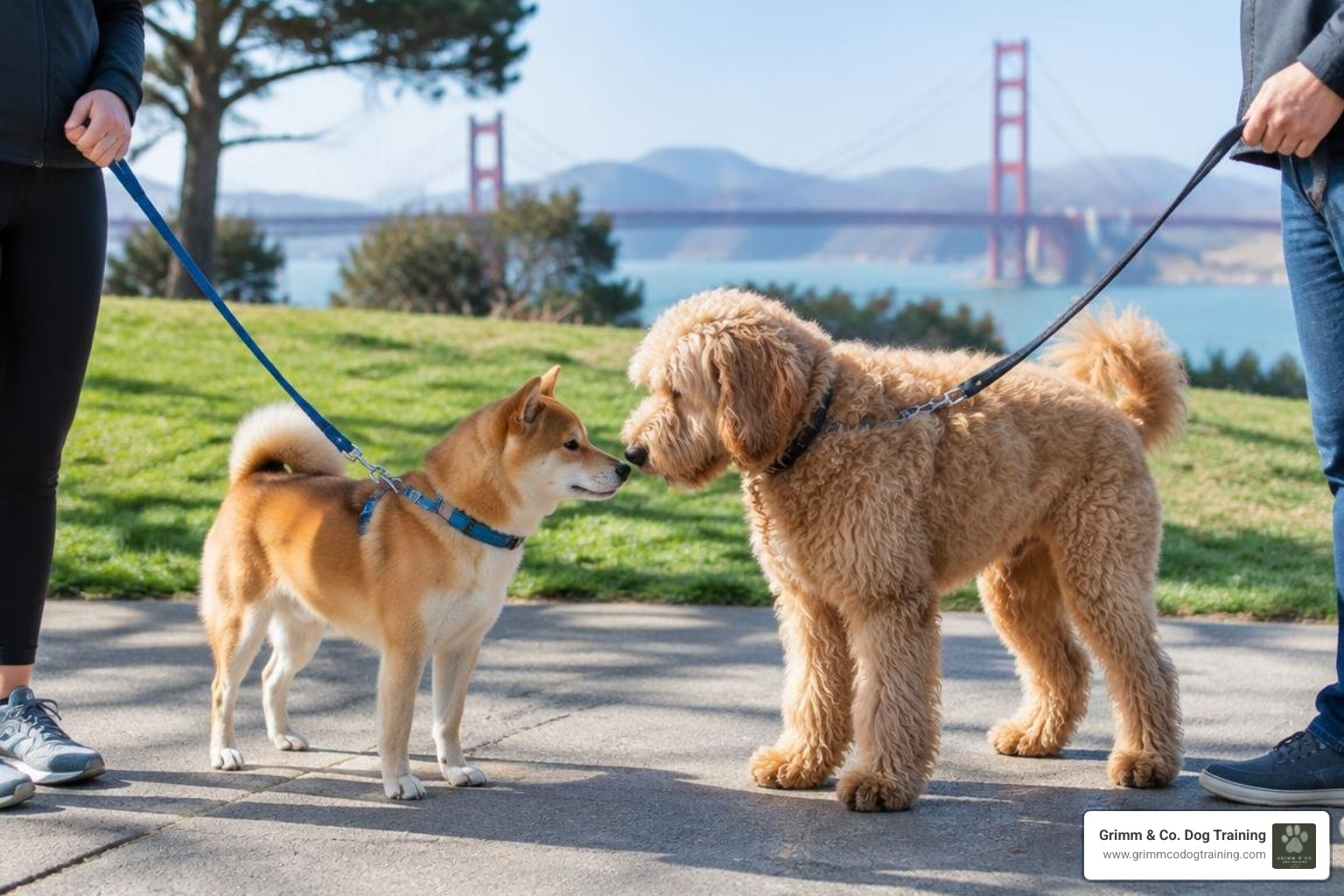
Our structured dog training program equips dogs and handlers with reliable frameworks for high-stress situations, focusing on impulse control and threshold management.
Managing Leash Reactivity and Urban Distractions
Leash reactivity often develops through trigger stacking, where cumulative micro-stressors overwhelm a dog's coping capacity. A delivery truck, a passing scooter, and an approaching off-leash dog can push an otherwise calm dog over threshold.
We help handlers manage these urban environments using structured distance thresholds and focus cues:
- Determining Baseline Thresholds: Identifying the exact physical distance at which your dog notices a trigger without entering an elevated stress state.
- Loose-Leash Mechanics: Teaching smooth handling techniques that prevent tension transfer down the leash, keeping walks relaxed through busy downtown centers.
- Differential Reinforcement: Rewarding alternative incompatible behaviors, such as sustained eye contact with the handler, whenever a distraction passes by.
How a South Bay Dog Trainer Addresses Fear-Based Anxiety and Aggression
Fear-based behavioral challenges require structured protocols that prioritize physical safety and emotional decompression. Whether addressing resource guarding inside the home or separation anxiety when left alone, intervention begins with thoughtful environmental management.
For complex cases like sibling rivalry in multi-dog households, we establish clear spatial boundaries, structured feeding protocols, and individualized decompression routines. By removing ambiguity and providing predictable household routines, dogs no longer feel the need to manage their own safety through defensive aggression.
Comparing In-Home Coaching and Structured Group Environments
Selecting the right training format depends on your dog's developmental stage, existing behavioral baseline, and immediate household goals.
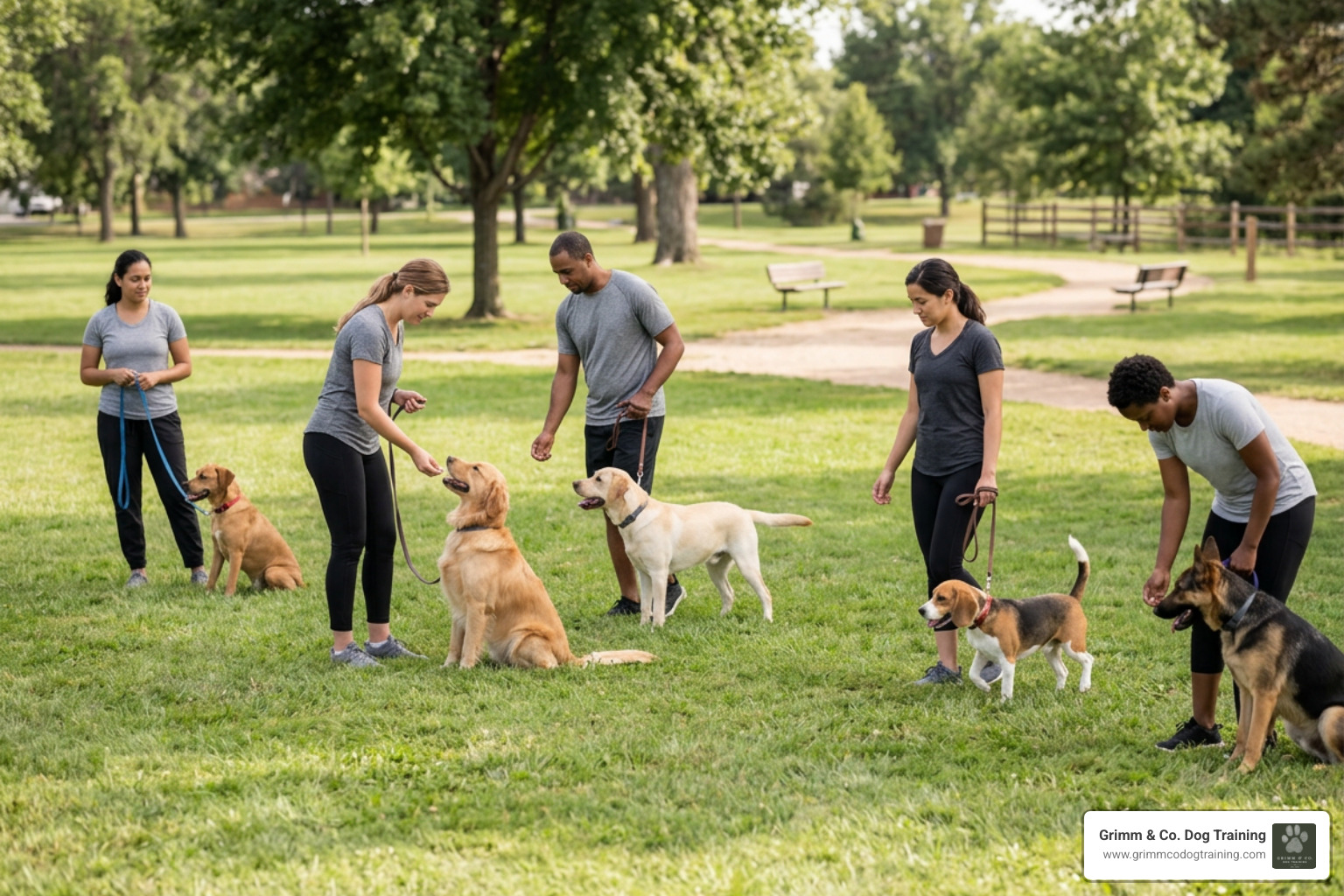
While private in-home sessions resolve isolated household problems, our dog training classes offer controlled, real-world proofing that private sessions cannot fully replicate.
| Feature | Private In-Home Coaching | Structured Group Classes |
|---|---|---|
| Primary Focus | Immediate household manners, baseline skills, severe behavior modification | Distraction proofing, dog neutrality, handler focus under pressure |
| Environmental Control | High control, minimal external distractions | Variable control, planned exposure to controlled triggers |
| Ideal For | Early puppy management, multi-dog conflict, separation anxiety | Generalizing obedience, loose-leash proofing, pack walks |
| Handler Mechanics | Tailored direct coaching on specific home layout | Real-time handling practice alongside other working teams |
In-Home Assessment and Household Management
In-home training allows us to observe your dog in their everyday environment. This context is essential for addressing issues like door dashing, counter surfing, potty training lapses, and hyper-arousal during guest arrivals.
We assess household layouts to set up management tools, like exercise pens or baby gates, which prevent unwanted habits from becoming self-reinforcing. We also review remote video recordings of daily interactions, giving you actionable feedback on timing, voice inflection, and boundary management between scheduled appointments.
Group Class Socialization and Pack Walk Dynamics
Group environments are not intended for chaotic, unstructured play. Instead, they serve as controlled settings where dogs practice neutrality around other animals and people.
During our structured pack walks and group sessions, dogs learn that the presence of other dogs does not signal an impending free-for-all. By practicing calm loose-leash walking, sit-stays, and reliable recall at safe distances from peers, dogs develop the emotional stability needed for visits to local South Bay outdoor venues.
Frequently Asked Questions About Dog Training in the South Bay
At what age should puppy training begin?
Puppy foundational training should begin as early as eight weeks of age. Early puppyhood presents a critical socialization window that closes around sixteen weeks. During this period, puppies form lasting impressions of their environment.
Early training focuses on positive, low-stress exposure to diverse textures, sounds, handling procedures, and gentle social interactions. It also establishes vital household routines, including crate training, potty habits, and bite inhibition mechanics, setting your puppy up for a confident, well-adjusted adulthood.
How long does positive reinforcement take to resolve severe reactivity?
Resolving reactivity is an individualized process that depends on your dog's behavioral history, genetics, environment, and handler consistency. Because behavior modification focuses on changing underlying emotional associations rather than simply suppressing reactions, measurable progress typically unfolds over several weeks to months.
Handlers who practice daily homework drills, avoid trigger stacking, and consistently mark appropriate choices often see notable improvements in focus and recovery times within four to six weeks of structured guidance.
How do I prepare my dog for an initial behavioral evaluation?
Preparing for an evaluation involves gathering clear, objective data about your dog's daily routines and behavioral history. Complete our pre-session questionnaire thoroughly, outlining specific triggers, diet details, exercise schedules, and previous training history.
Avoid putting your dog in high-stress situations immediately before the appointment so they arrive at baseline arousal levels. If you have questions about scheduling or logistics, you can easily reach out via our contact page to get started.
Building Lasting Partnership and Community
Sustainable behavior change is not built on temporary fixes. It develops through clear communication, predictable boundaries, and mutual respect between you and your dog. By focusing on relationship-based principles and understanding canine ethology, you give your dog the tools they need to navigate complex urban environments with confidence.
Whether you are welcoming a young puppy into your home or working through leash reactivity on neighborhood walks, consistent practice and professional guidance make all the difference. Connect with our community at Grimm & Co. Dog Training to build a lasting, balanced relationship with your canine companion.