
Evaluating the True Cost of a Purebred Alsatian

Understanding the true financial commitment of an Alsatian, historical context helps clear up common confusion. The name "Alsatian" originated in the United Kingdom during World War I, when anti-German sentiment prompted dog registries to temporarily rename the German Shepherd Dog to the Alsatian Wolf Dog, later shortened to Alsatian. Today, the terms refer to the exact same breed: a highly capable, versatile working dog known for high intelligence and physical stamina.
When evaluating financial readiness for an Alsatian, prospective owners must look past the initial check written to a breeder or rescue organization. Bringing a large, high-drive puppy into an urban environment like San Francisco or the surrounding Bay Area requires thoughtful financial planning. The initial purchase price is simply the entry point into a multi-year financial partnership.
Total lifetime expenditures for a purebred Alsatian generally range from $15,000 to $30,000 or more over an average 12-to-14-year lifespan. Establishing a clear budget prior to bringing a puppy home ensures you can comfortably afford high-quality nutrition, appropriate physical gear, ongoing healthcare, and dedicated training throughout the dog's life.
Understanding the Alsatian Dog Price Spectrum: Breeder Tiers and Bloodlines
The alsatian dog price varies significantly based on breeder reputation, program standards, and intended purpose. When evaluating prices across different sellers, baseline numbers generally reflect distinct tiers in the breeding market, as detailed in Alsatian Puppy Prices: What to Expect.
Unregulated source options like backyard breeders or commercial puppy mills often list puppies for $800 to $1,500. While these prices seem appealing, they typically reflect a total lack of parental health screenings, minimal early environment enrichment, and absent post-purchase support. Conversely, reputable local breeders charge between $1,500 and $3,000, covering comprehensive genetic health checks, proper veterinary prenatal care, standard core vaccinations, and sound early developmental exposure. Established show programs and high-tier working kennels routinely price their puppies from $2,500 to $3,500 and above.
Pet Quality vs Working and Show Lines
Pricing within reputable breeding programs depends largely on pedigree classification and the dog's intended role:
- Pet Quality ($1,500 - $3,000): The term "pet quality" does not mean inferior or unhealthy. It simply indicates that a puppy possesses slight cosmetic variations from the official AKC breed standard, such as ear set, coat texture, or tail carriage, or exhibits a lower drive profile better suited for family life. These dogs come from the same health-screened parents as their show-prospect littermates.
- Working Lines ($1,500 - $3,500+): Bred specifically for operational roles in police K-9 units, search and rescue, personal protection, or high-level working sports (Schutzhund/IGP), working lines prioritize biddability, extreme stamina, environmental confidence, and strong prey and defense drives. Their physical structure features a flatter, straighter topline built for power and endurance.
- Show Lines ($2,500 - $5,000+): Selected carefully to meet exact structural standards in the conformation ring, American and West German show lines exhibit distinct physical traits, including the classic angled, sloping back stance. Breeders invest heavily in titling parent dogs in show rings before breeding, which raises the overall puppy cost.
The Financial Impact of Imported European Bloodlines
Imported European lines, particularly West German, Czech, and East German (DDR) working bloodlines, represent the highest price tier in the domestic market, frequently commanding $5,000 to $10,000+.
European breeding registries enforce strict mandatory selection standards before a dog can be bred. Parents must clear rigorous hip and elbow evaluations, earn working titles (such as IGP/IPO), pass endurance tests, and secure formal temperament certifications (such as the Zuchttauglichkeitsprüfung or ZTP). Factoring in international transport, health quarantine clearances, and flight nanny transport services running $500 to $1,200, the cost of acquiring imported lines quickly escalates.
Primary Factors Driving Upfront Puppy Expenses
High initial prices from reputable breeders are directly tied to substantial pre-birth operational costs. As outlined in German Shepherd Price from Breeder: What's Normal, responsible breeders invest thousands of dollars into every litter long before puppies are born.
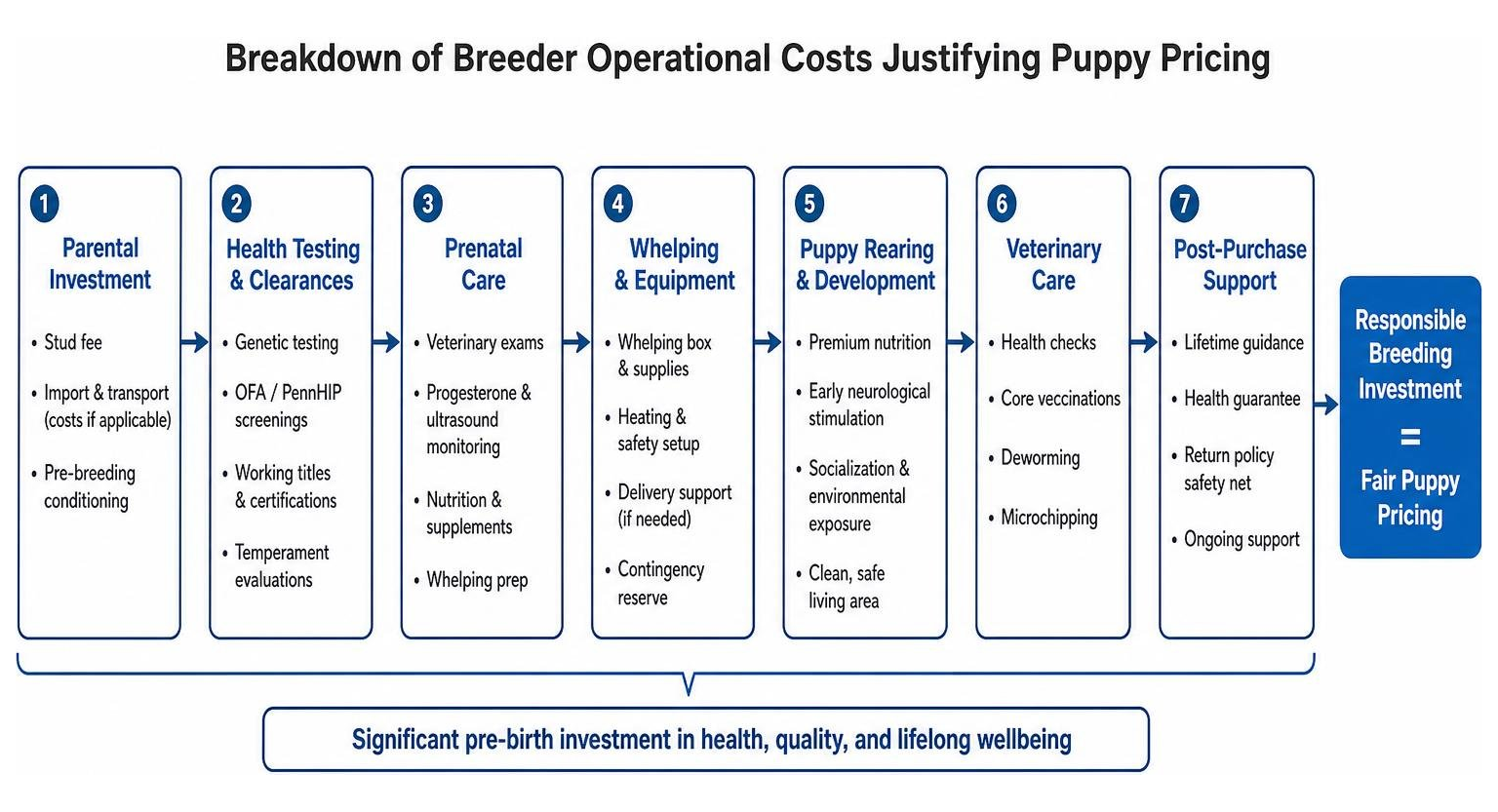
A breeder's baseline investment includes stud fees ($1,500 to $3,000+), specialized prenatal veterinary care, ultrasound monitoring, high-grade whelping equipment, early neurological stimulation protocols, and initial microchipping.
Genetic Health Testing and Parental Clearances
The primary cost driver in reputable breeding is mandatory health testing. Responsible breeders clear parent stock through recognized diagnostic organizations like the Orthopedic Foundation for Animals (OFA) or PennHIP:
- OFA Hip and Elbow Radiographs ($200 - $400 per dog): Evaluates joint health to screen for hip and elbow dysplasia, a condition that affects roughly 20 percent of German Shepherds.
- Degenerative Myelopathy (DM) DNA Testing ($50 - $100 per dog): Identifies carriers of a devastating, progressive spinal cord disease common in the breed.
- Cardiac and Ophthalmic Evaluations ($150 - $300 per dog): Screens for congenital heart defects and inherited eye disorders.
- Brucellosis Screening ($50 - $100): Protects breeding stock against infectious reproductive diseases.
Skipping these diagnostic steps saves an unethical breeder $600 to $1,000+ per parent dog, allowing them to sell cheap puppies. However, this passes massive financial and emotional risks directly onto the buyer.
Coat Color Rarities, Coat Types, and Market Demand
Coat variation can influence pricing due to supply, demand, and genetic traits. The American Kennel Club recognizes 11 official coat colors for the German Shepherd Dog.
Solid black Alsatians typically sell for $700 to $2,000 or more. Solid black coats are governed by a recessive gene requiring both parents to carry the trait, making them less common in traditional pet litters. Long-coat (plush coat) varieties are also controlled by a recessive gene and often carry a $500 to $1,000 premium due to high consumer demand for soft, fuller coats.
Buyers should exercise caution when dealing with sellers charging inflated prices for non-standard colors like liver, panda, or blue. These rare shades often result from irresponsible breeding practices that prioritize unusual aesthetics over structural health and stable temperaments.
First-Year Financial Commitment and Ongoing Maintenance Costs
The total first-year financial commitment for an Alsatian ranges from $4,000 to $9,500+, combining the initial purchase price with necessary equipment, veterinary visits, licensing, and training foundation work.
Initial Gear, Vaccines, and First-Year Setup Expenses
Preparing your home for an Alsatian puppy requires specialized, heavy-duty gear built for a large, powerful breed:
- Crater and Bedding ($150 - $300): Buying a heavy-duty 42-inch or 48-inch metal crate with a divider wire panel accommodates rapid puppy growth stages through adulthood.
- Durable Gear and Chew Toys ($100 - $200): High-drive puppies require heavy-rubber chew items and durable leashes and harnesses to withstand early power chewing.
- Core Vaccinations and Microchipping ($200 - $450): Covers essential puppy shot series (DHPP, Rabies) alongside microchip registration.
- Municipal Licensing ($10 - $50): Required annually across Bay Area cities like San Francisco, Daly City, and Oakland.
Navigating a dense urban setting with a high-drive dog makes early professional instruction essential. Enrolling your puppy in structured Dog Obedience Training Classes early builds essential neutrality, impulse control, and leash manners in busy environments like Jack London Square or Muscle Rock Park.
Evaluating the Initial Alsatian Dog Price Against Lifetime Ownership Costs
Ongoing recurring monthly expenses average $150 to $400, adding up to $2,000 to $5,000 annually for a healthy adult dog:
Feeding a adult 70-to-90-pound working breed requires high-quality nutrition. Expect to spend $80 to $150 monthly on premium kibble or balanced raw diets. Grooming costs for their dense double coat require specialized undercoat rakes, slicker brushes, and deshedding tools ($50 - $100 upfront), alongside regular monthly maintenance to manage year-round shedding and seasonal coat blowouts.
Healthcare Risks, Genetic Predispositions, and Emergency Planning
Alsatians are predisposed to specific genetic and structural health conditions that can trigger heavy veterinary expenses.
| Health Condition | Typical Diagnostic & Treatment Expenses | Preventive or Management Steps |
|---|---|---|
| Hip or Elbow Dysplasia | $1,500 to $7,000 per joint (Surgical) | OFA parental screenings, controlled exercise, weight management |
| Gastric Dilatation-Volvulus (Bloat) | $1,500 to $7,500+ (Emergency Surgery) | Prevent rapid eating, avoid heavy exercise right after meals, preventive gastropexy |
| Exocrine Pancreatic Insufficiency (EPI) | $100 to $200 monthly (Enzyme Supplementation) | cTLI blood diagnostic testing, lifelong enzyme dietary additive |
| Degenerative Myelopathy (DM) | $500 to $2,000 (Physical Therapy & Carts) | DNA testing of sire and dam, joint supplements, physical therapy |
Managing Common Breed Health Conditions and Surgery Costs
Understanding high-risk medical concerns allows owners to build appropriate financial reserves:
- Hip Dysplasia: Poorly formed hip joints lead to painful arthritis and mobility loss. Surgical total hip replacement costs $3,500 to $7,000 per hip.
- Gastric Dilatation-Volvulus (GDV / Bloat): A life-threatening emergency where the deep-chested stomach fills with gas and twists. Emergency surgery costs between $1,500 and $7,500+. Elective prophylactic gastropexy surgery during spay or neuter procedures can significantly reduce this risk.
- Exocrine Pancreatic Insufficiency (EPI): The pancreas fails to produce essential digestive enzymes, causing severe weight loss and chronic diarrhea. While manageable, lifelong pancreatic enzyme powder additives cost $100 to $200 per month.
Pet Insurance vs Emergency Veterinary Reserves
To handle severe unexpected medical costs, owners generally choose between two primary financial strategies:
- Comprehensive Pet Insurance: Monthly premiums for an Alsatian range from $50 to $120+ per month, depending on location and chosen deductible. Securing coverage during puppyhood before pre-existing condition exclusions apply ensures financial protection against major surgeries or chronic illnesses.
- Dedicated Emergency Savings Reserve: Owners set aside $2,000 to $5,000 in a liquid savings account specifically for unexpected veterinary emergencies, maintaining full control over their funds.
Adoption Alternatives and Red Flags to Avoid
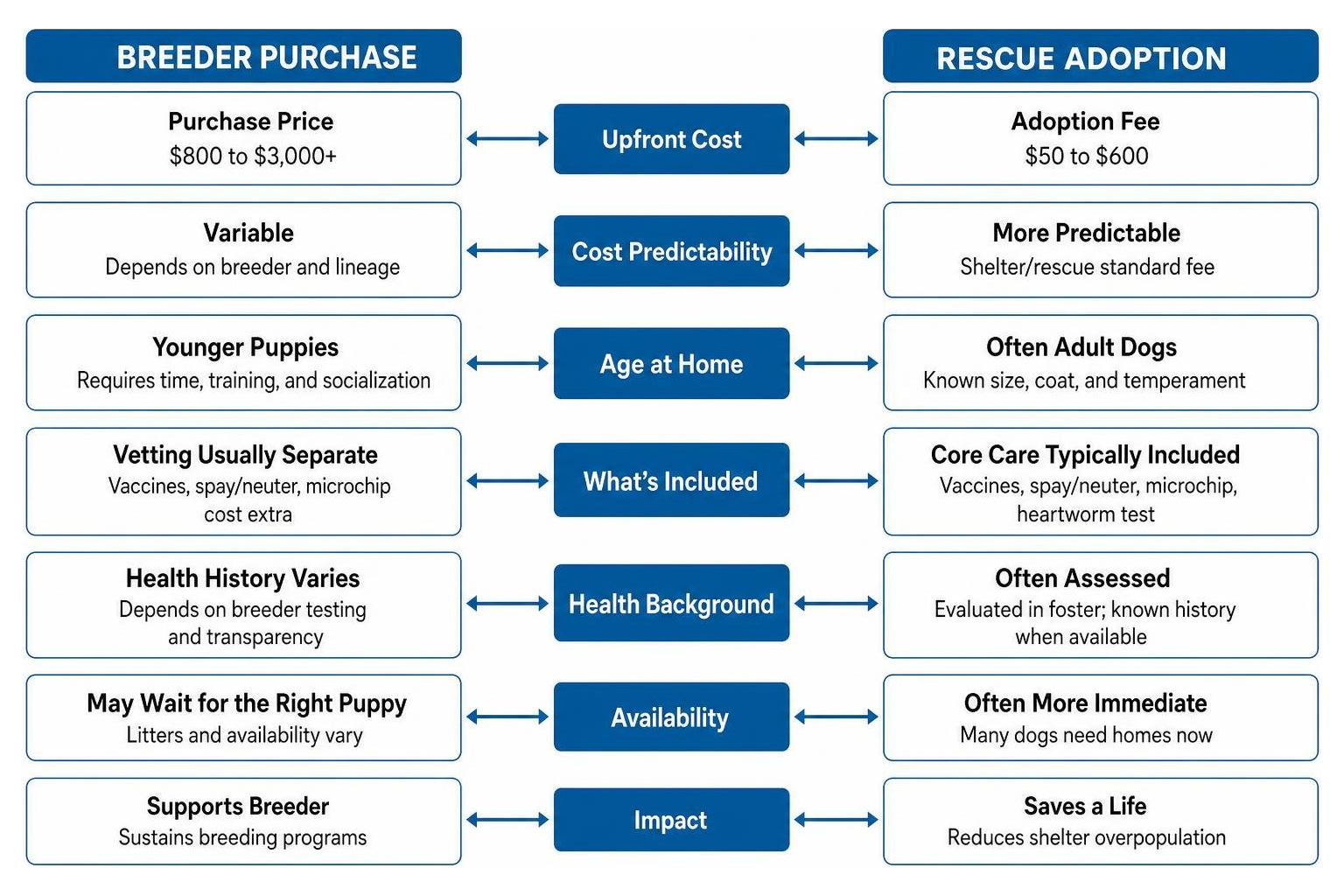
Adopting an Alsatian from a shelter or breed-specific rescue is an excellent alternative to buying a puppy from a breeder.
Rescue Fees vs Breeder Purchase Costs
Adoption fees at local shelters and breed-specific rescues typically range from $50 to $600. This single fee usually covers essential medical care that would otherwise cost $800 to $1,200 independently, including full core vaccination series, spay/neuter surgery, microchipping, and heartworm testing.
Beyond cost savings, adopting a mature rescue dog gives you a clear picture of their adult height, coat type, and temperament. Rescues evaluate adult dogs in foster homes, making it easier to match high-drive or low-drive dogs to your specific home environment.
Regional Variations and How Location Shapes the Alsatian Dog Price
Geographic location heavily dictates puppy pricing and routine care expenses. In high cost-of-living metropolitan areas like the San Francisco Bay Area and the South Bay, reputable breeder puppy prices average $2,000 to $4,500, driven by elevated real estate, veterinary overhead, and operational costs.
In contrast, reputable breeders in the Midwest or southern states may list comparable pet-quality puppies for $1,000 to $2,500. However, importing a puppy across state lines requires factoring in professional flight nanny services ($500 - $1,200) or Ground Transport fees ($300 - $600), which can erase regional price savings.
Warning Signs of Backyard Breeders and Scams
Protecting yourself against unethical sellers requires recognizing common industry red flags:
- Extremely Low Purchase Prices: Purebred puppies listed under $800 often indicate skipped health testing, substandard housing conditions, or puppy mill origins.
- No Documented Parental Health Testing: Unwillingness or inability to provide official OFA, PennHIP, or DM genetic testing certificates for both parents.
- Releasing Puppies Under 8 Weeks: Responsible breeders never send puppies to new homes before 8 to 10 weeks of age.
- Lack of Contracts and Take-Back Guarantees: Reputable breeders mandate spay/neuter agreements and guarantee in writing that they will take the dog back at any point in its life if you can no longer care for it.
- Unclean Facilities or Refusal of Visits: Inability to see the puppy’s mother or view the kennel facility in person or via live video call.
Frequently Asked Questions About Alsatian Dog Pricing
How much does a purebred Alsatian puppy cost in 2026?
A purebred Alsatian puppy from a reputable domestic breeder costs between $1,500 and $3,500 in 2026. Specialized working-line puppies, show prospects, or imported European bloodlines start at $5,000 and can exceed $10,000 depending on parent titles and certifications.
Why are working line or imported Alsatians so expensive?
Working and imported lines reflect rigorous mandatory certifications, including hip/elbow clearances, endurance tests, and formal working titles (such as IGP/SchH). Furthermore, importing European stock involves significant international transport fees, health clearances, and specialized flight transport services.
What is the estimated monthly cost of owning an Alsatian?
The estimated monthly cost of maintaining a healthy adult Alsatian ranges from $150 to $400. This budget covers premium food, flea/tick/heartworm preventatives, basic grooming supplies, enrichment toys, and routine veterinary care.
Building a Strong Relationship With Your Alsatian
Bringing an Alsatian into your life involves a significant financial, physical, and emotional commitment. While the initial alsatian dog price represents a major upfront step, long-term success comes down to consistent daily care, clear boundaries, and structured training. Investing early in your dog's behavioral development prevents frustration and builds a reliable, confident companion capable of navigating crowded Bay Area streets and urban environments.
At Grimm & Co. Dog Training, we specialize in relationship-focused training designed to bring out the best in high-drive, intelligent working breeds. Whether you are bringing home a new puppy or refining manners with an adult dog, our personalized approach helps you build clear communication and deep mutual respect. Explore our specialized program for Training Your German Shepherd to set up a solid foundation for your dog's future.